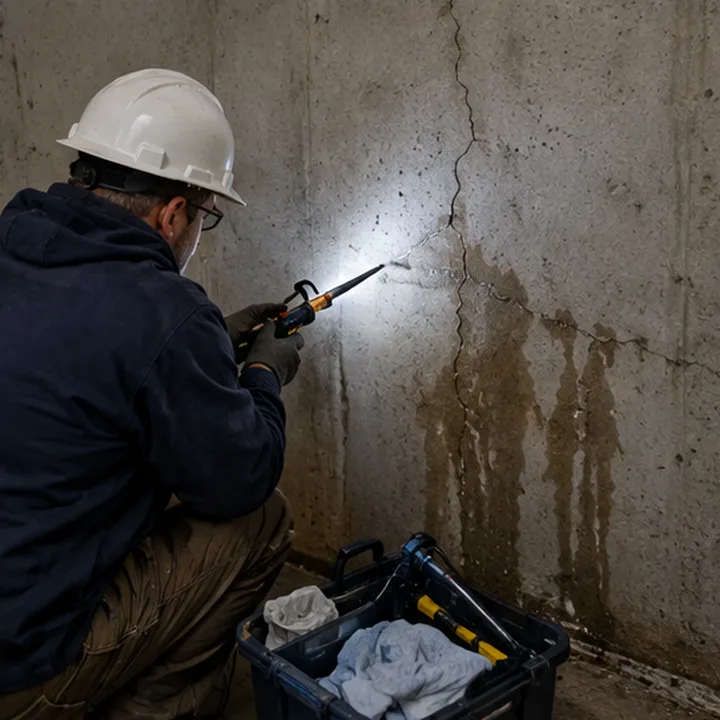
Storm Shelter Leak Repair
Leaks come from cracks, joints, the door seal, the vents or groundwater. We trace the water, seal the entry and add drainage or a pump when it is needed.
How this service works for you
A leaking shelter is a damp shelter. We find where water gets in and seal it, then deal with the cause.
We find where the water enters.
Cracks and joints are injected and coated.
Drainage and pumps address groundwater.
We look again after rain.
Is this for you?
- Water stains on the walls
- Puddles on the floor
- A musty smell in the shelter
- Rust on the door or hardware
Site evaluations, soil and water testing, permits, registration, rebates, inspections, repairs, leak fixes, removal and drills.
From your call to a finished job
- 1You tell us where you stand
Planning a shelter, stuck on permits or looking after one you already have.
- 2We gather the facts
Site conditions, local rules, programs and the current state of any existing shelter.
- 3You get clear next steps
A plan, a checklist or a service list, written in plain words.
- 4We help you through it
We handle the work or guide you through the paperwork, as you choose.
Questions about storm shelter leak repair
Can a leak be stopped for good?
We seal the entry and fix the cause, but groundwater can return, so we recommend yearly checks.
Is mold a concern?
Damp spaces can grow mold. We clean and dry the space, and fix the moisture.
Often planned together
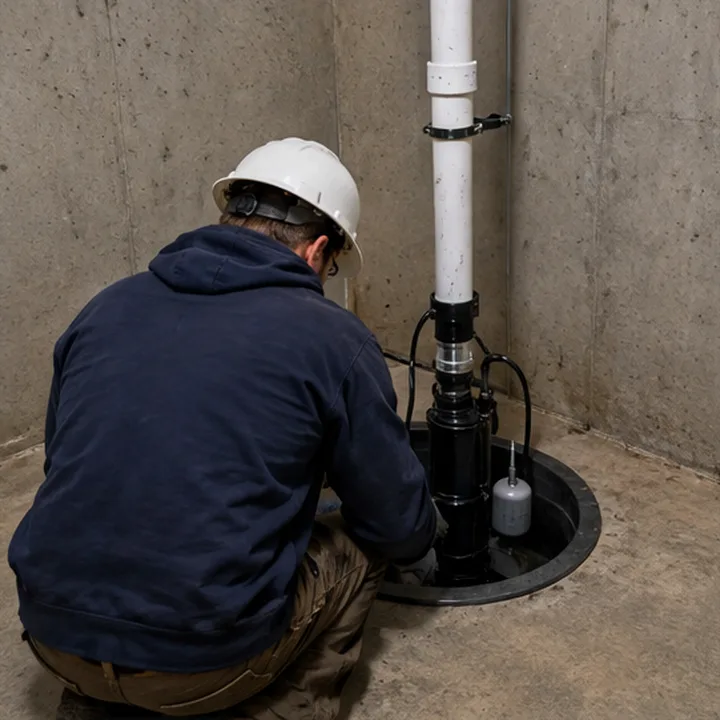
Storm Shelter Waterproofing and Sump Pumps
A dry shelter is a usable shelter. Waterproofing and a sump pump keep groundwater and rain out of the room.
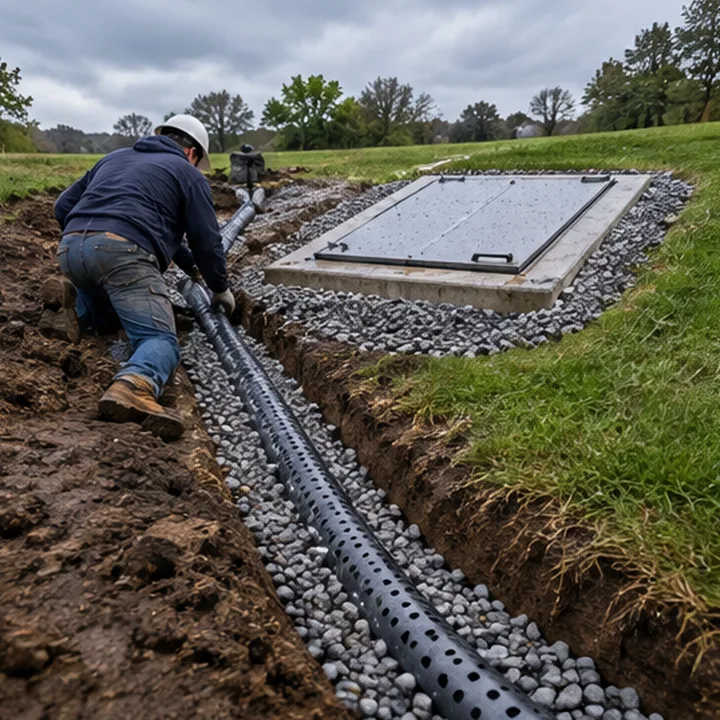
Storm Shelter Drainage
Grading and drains carry rain away from the shelter entry, so the stairs and the hatch stay dry and usable.
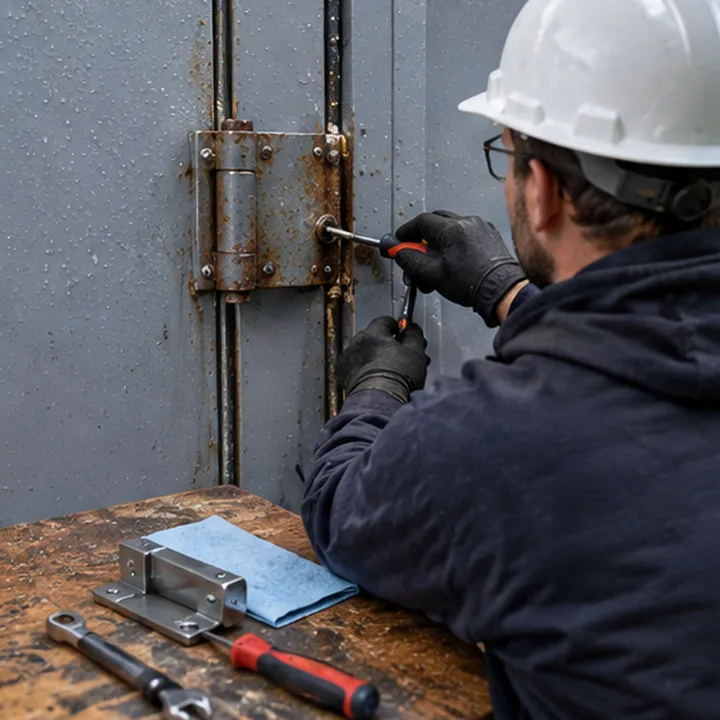
Storm Shelter Repair
Doors that stick, hinges that rust and seals that fail can be repaired or replaced so your shelter works again.
Ready to plan your shelter?
Tell us where you live and who is in your household. We will walk the site, explain the options in plain words and put the plan in writing.