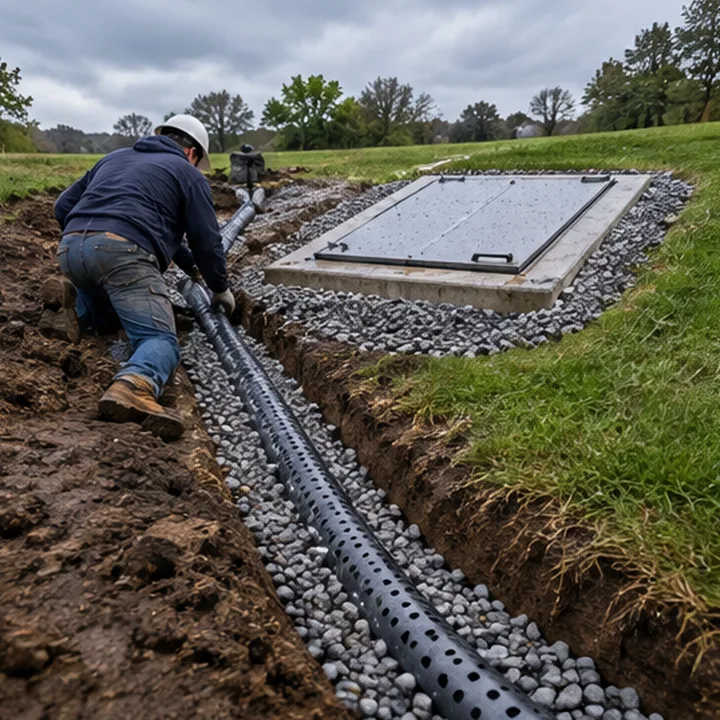
Storm Shelter Drainage
Rain runs downhill into any opening. We shape the ground, add a trench drain or French drain and direct downspouts away so water goes around the shelter.
How this service works for you
Grading and drains carry rain away from the shelter entry, so the stairs and the hatch stay dry and usable.
Soil slopes away from the entry.
Pipe and stone carry water out.
Roof water goes elsewhere.
We show you what to look at.
Is this for you?
- Water pools at the hatch
- Stairs get wet
- A new shelter needs a drainage plan
- An old shelter floods after rain
Doors, locks, ventilation, anchoring, lights and power, interiors, waterproofing, drainage, hatches and weather alerts.
From your call to a finished job
- 1You tell us what you have or what you want
A new shelter, an old one that needs help or a feature you want added.
- 2We inspect the details
Doors, vents, anchors, seals and drainage are checked so we know what the shelter needs.
- 3You hear the options
The choices that fit your shelter are explained with their trade-offs.
- 4We install and test
The work is done and tested so you can trust it when the warning comes.
Questions about storm shelter drainage
How much slope is enough?
Many guides suggest several inches of fall over the first ten feet. We check yours.
Can a drain fix a flooded shelter?
Often, with a sump and sealing. We check the cause first.
Often planned together
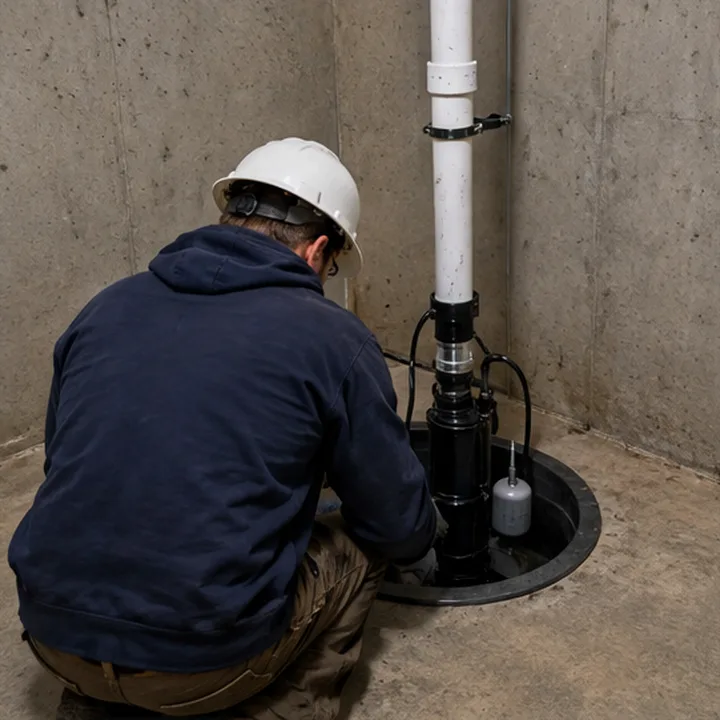
Storm Shelter Waterproofing and Sump Pumps
A dry shelter is a usable shelter. Waterproofing and a sump pump keep groundwater and rain out of the room.
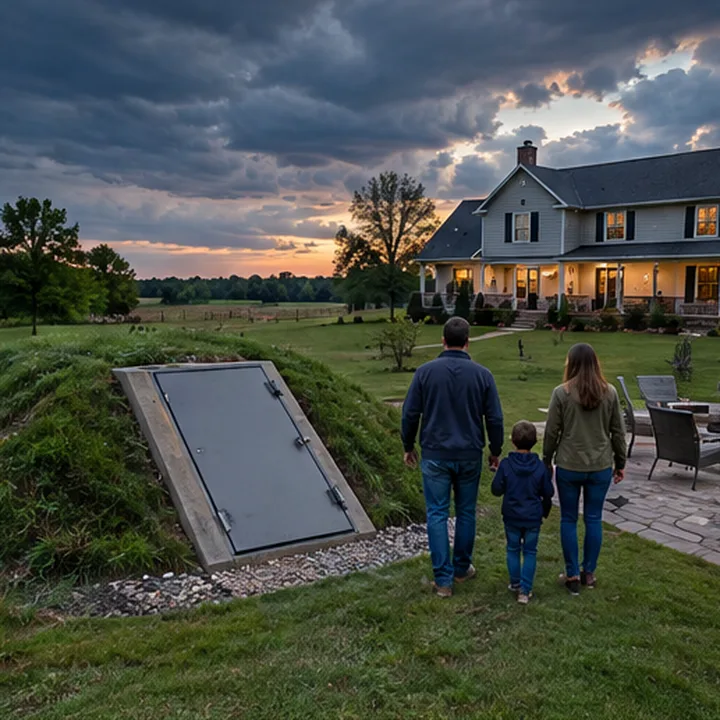
Backyard Underground Storm Shelter
A backyard underground shelter is a self-contained room in the yard, a short walk from the house, with a sloped or hatch door.
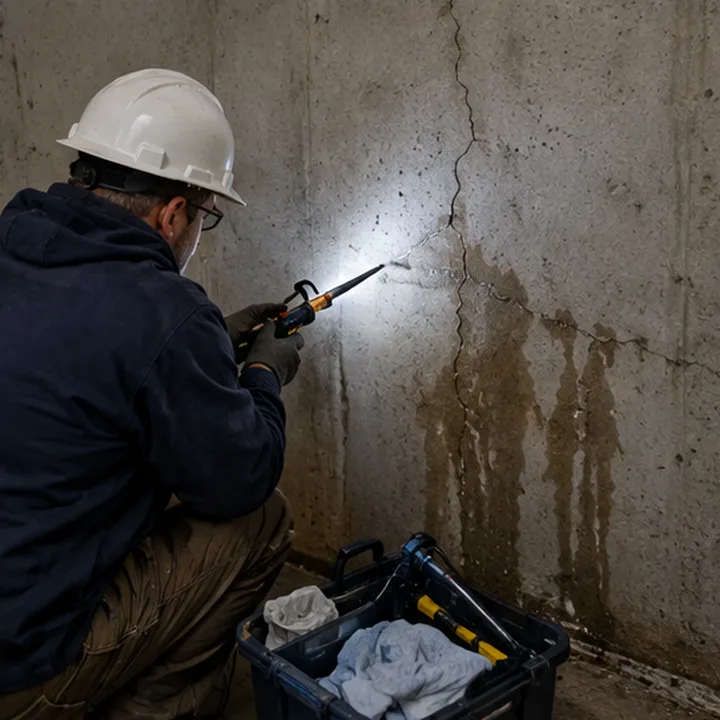
Storm Shelter Leak Repair
A leaking shelter is a damp shelter. We find where water gets in and seal it, then deal with the cause.
Ready to plan your shelter?
Tell us where you live and who is in your household. We will walk the site, explain the options in plain words and put the plan in writing.