
Every job a storm shelter company does
In-ground shelters, above-ground safe rooms, doors, vents, anchors, permits, repairs and community shelters. Search, filter and add the services you want to your request.
In-Ground Storm Shelters. Garage floor, backyard and underground shelters in steel, fiberglass and concrete, with stairs, ramps and room for large families.
Above-Ground Safe Rooms. Garage, closet, bathroom and detached safe rooms in steel and concrete, retrofitted into your home or built into a new one.
Community and Commercial Shelters. Shelters for neighborhoods, schools, churches, mobile home parks, hospitals, businesses, plants, campgrounds, apartments and towns.
Doors, Vents, Anchors and Features. Doors, locks, ventilation, anchoring, lights and power, interiors, waterproofing, drainage, hatches and weather alerts.
Planning, Permits and Service. Site evaluations, soil and water testing, permits, registration, rebates, inspections, repairs, leak fixes, removal and drills.
Situations and Property Types. Farms, manufactured homes, builders, seniors, post-storm checks, insurance, resale, hurricanes, pets and second homes.
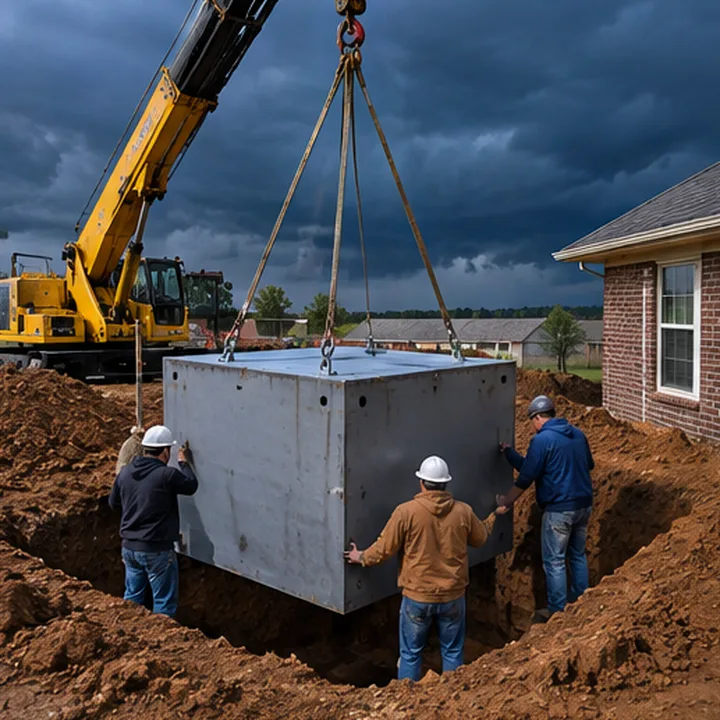
In-Ground Storm Shelter Installation
An in-ground storm shelter puts a steel or concrete room below the surface so a family has a place to go when a tornado warning sounds.
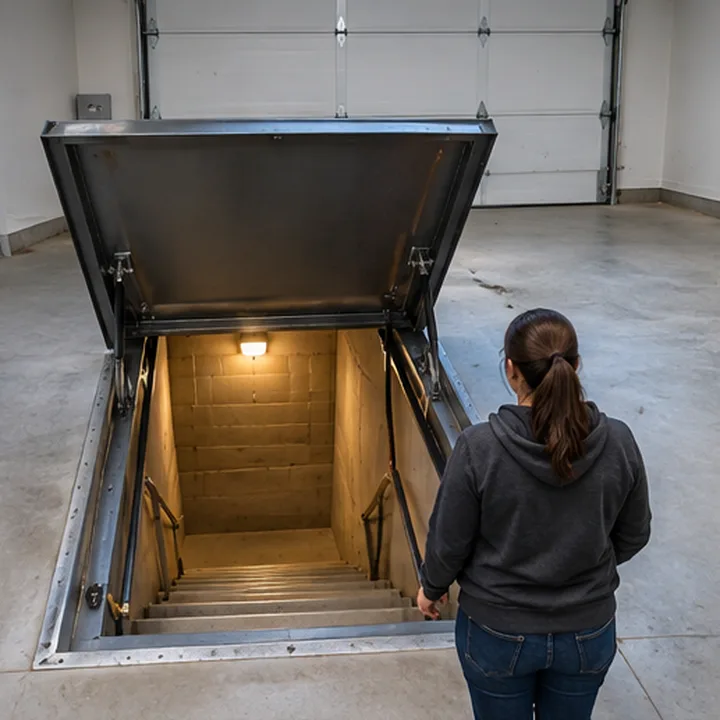
Garage Floor Storm Shelter
A garage floor shelter hides in the slab, so the family is a few steps away from safety without going out into the storm.
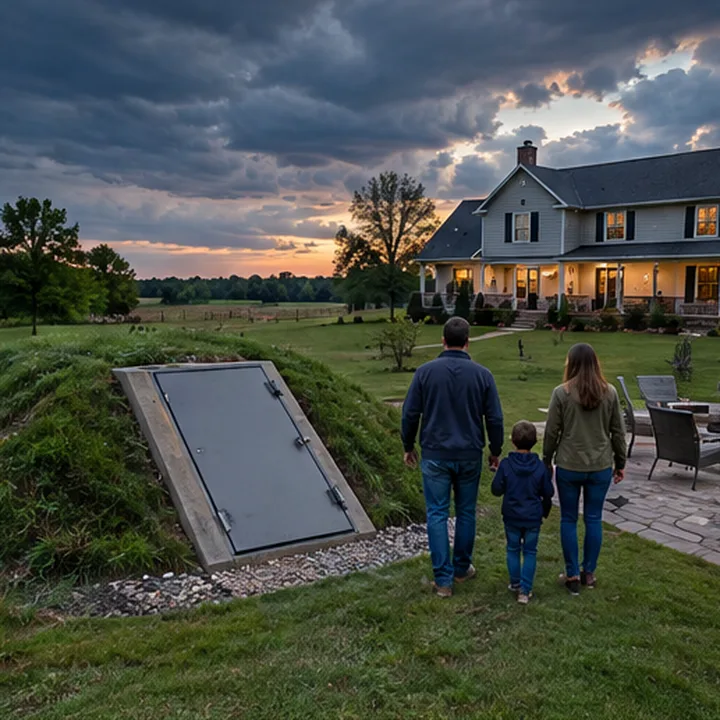
Backyard Underground Storm Shelter
A backyard underground shelter is a self-contained room in the yard, a short walk from the house, with a sloped or hatch door.
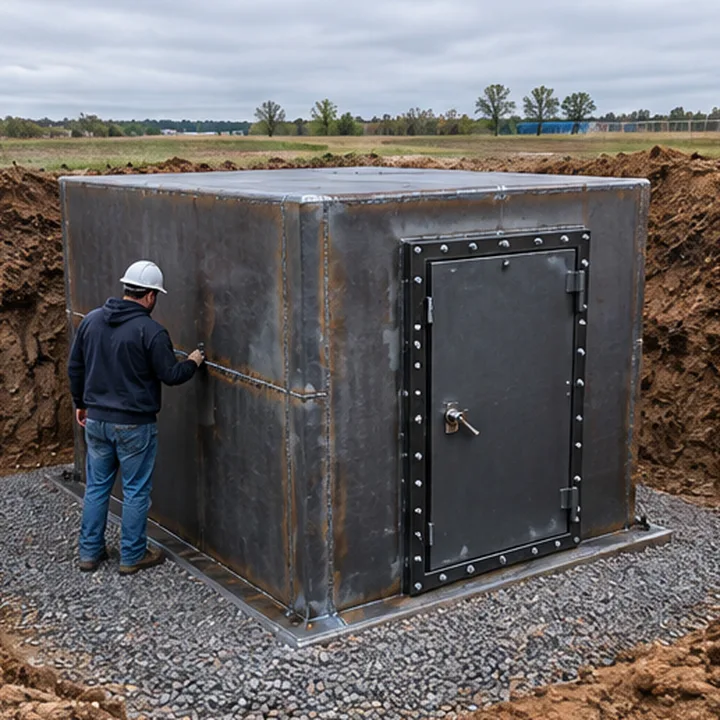
Steel In-Ground Storm Shelters
Steel in-ground shelters are factory-built rooms made of heavy plate, delivered whole and set into the ground in a day.
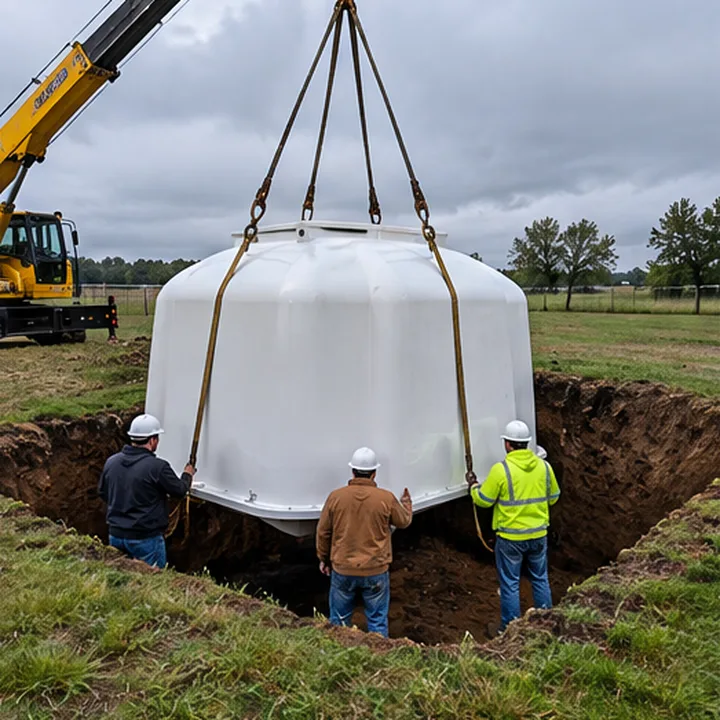
Fiberglass In-Ground Storm Shelters
Fiberglass shelters are light, will not rust and are common where the soil is damp or the water table is high.
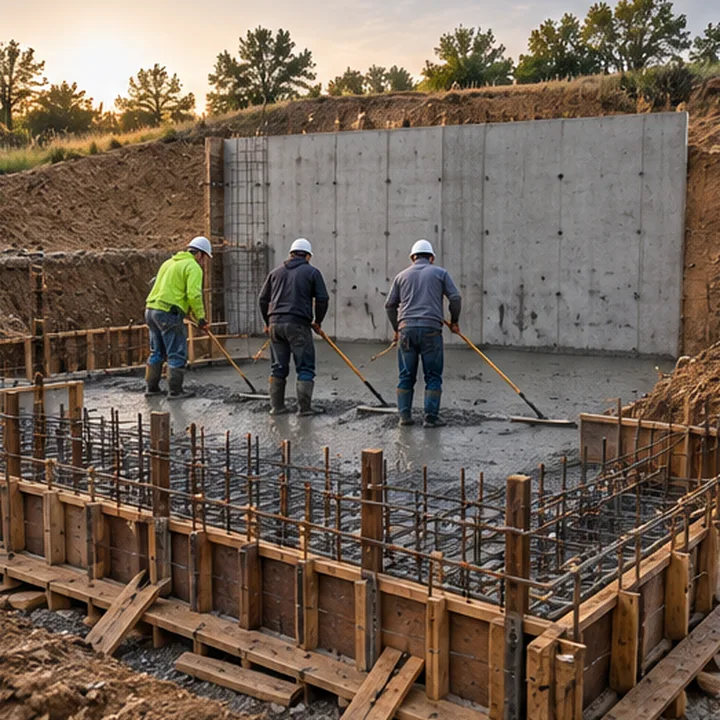
Concrete Underground Storm Shelters
Concrete shelters are poured in place or built from precast sections, giving a heavy, solid room that can be shaped to fit.
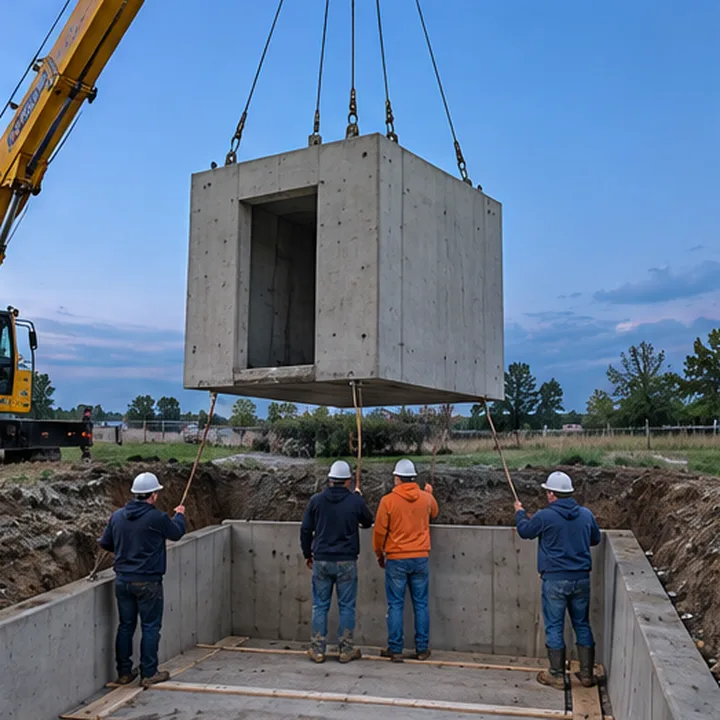
Precast Concrete Storm Shelters
Precast concrete shelters are cast in a plant and set in the ground as finished sections, combining concrete mass with a fast install.
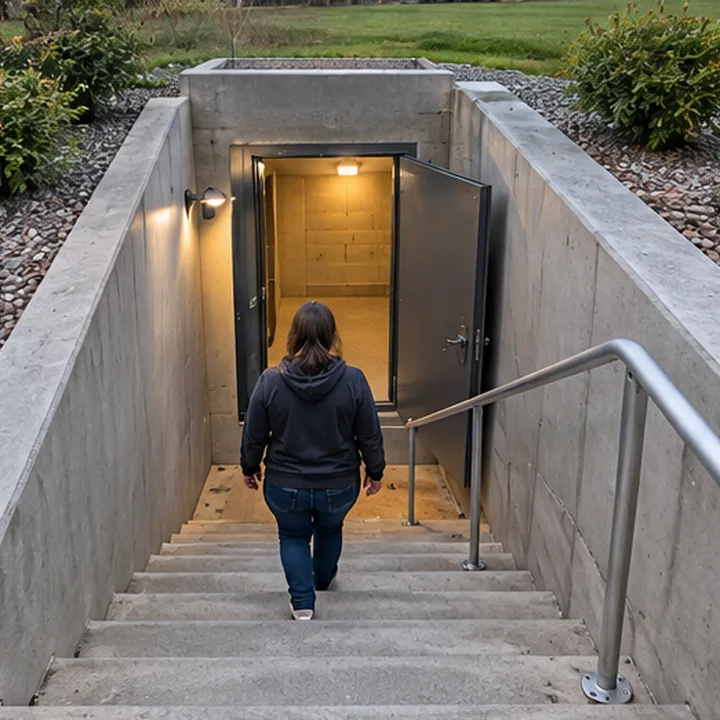
Storm Shelter With Stairs or Ramp Entry
The entry decides how fast and how safely people reach a shelter: stairs, a ladder, a sloped door or a ramp.
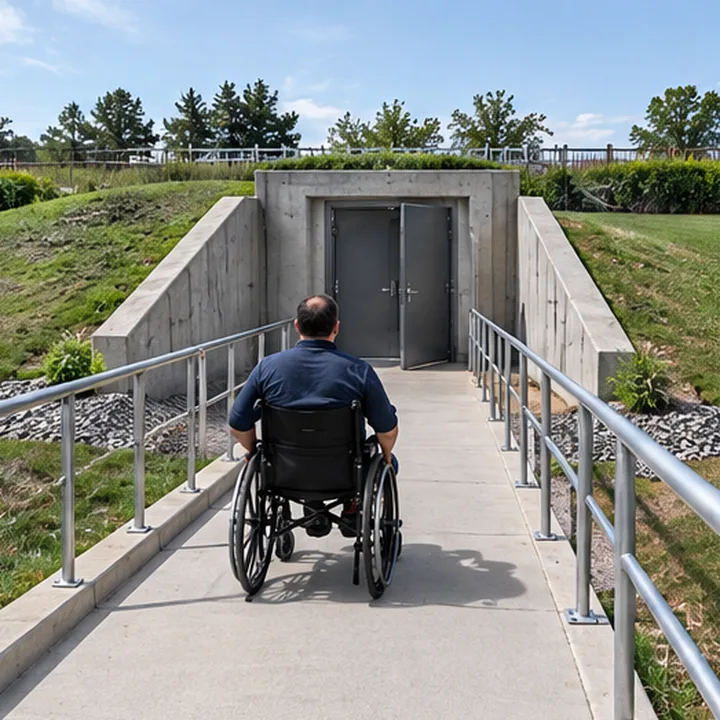
ADA Accessible Storm Shelters
Accessible shelters have a ramp or level entry, wide doors and room inside for wheelchairs, so everyone can take cover together.
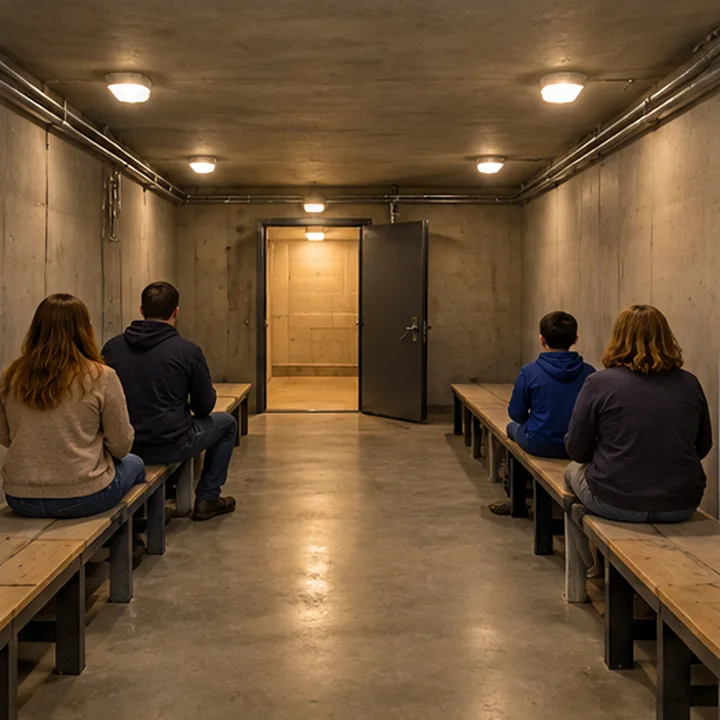
Large Family and Group In-Ground Shelters
A larger in-ground shelter gives room for a big family, neighbors, pets and supplies, with benches, shelves and extra air.
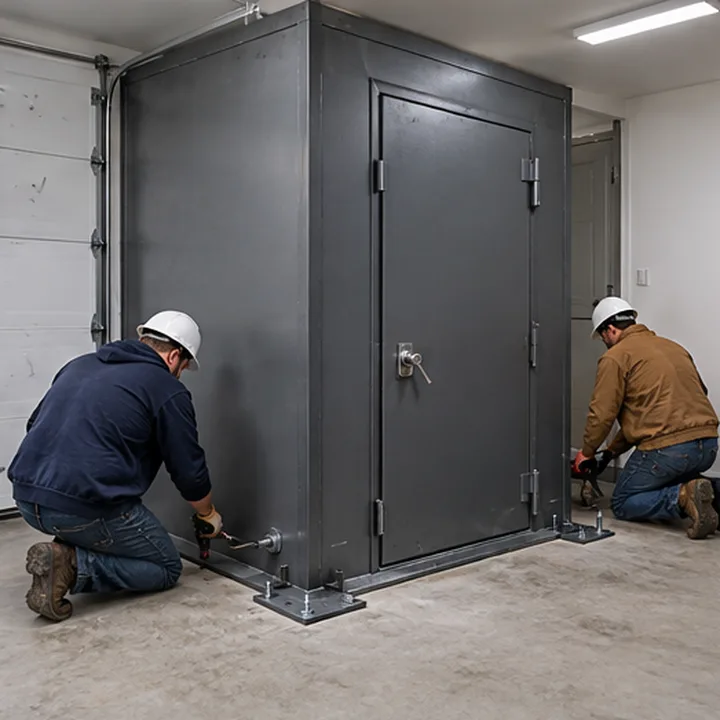
Above-Ground Safe Room Installation
An above-ground safe room is a reinforced room built in or beside the home, anchored to the slab and designed to resist wind and flying debris.
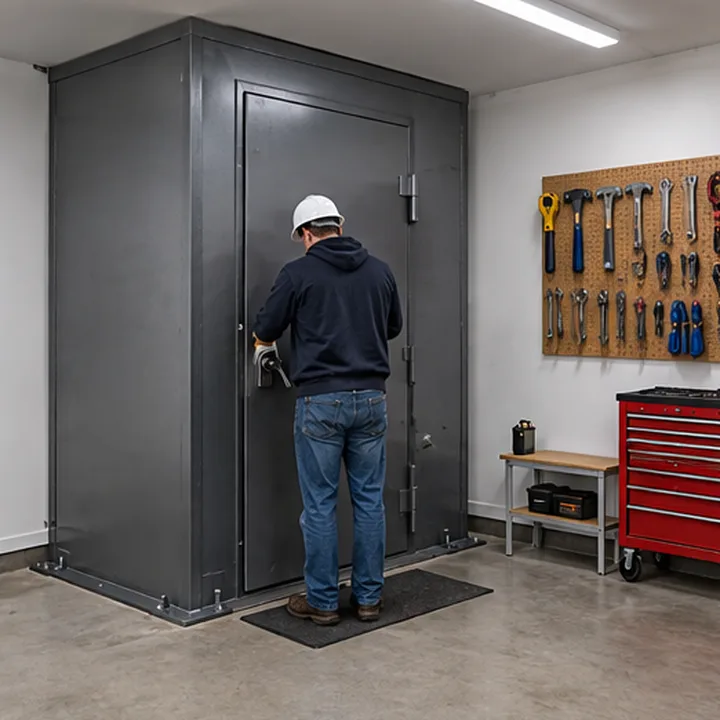
Garage Safe Room
A garage safe room fits in a corner of the garage on the existing slab, close to the house and quick to build.
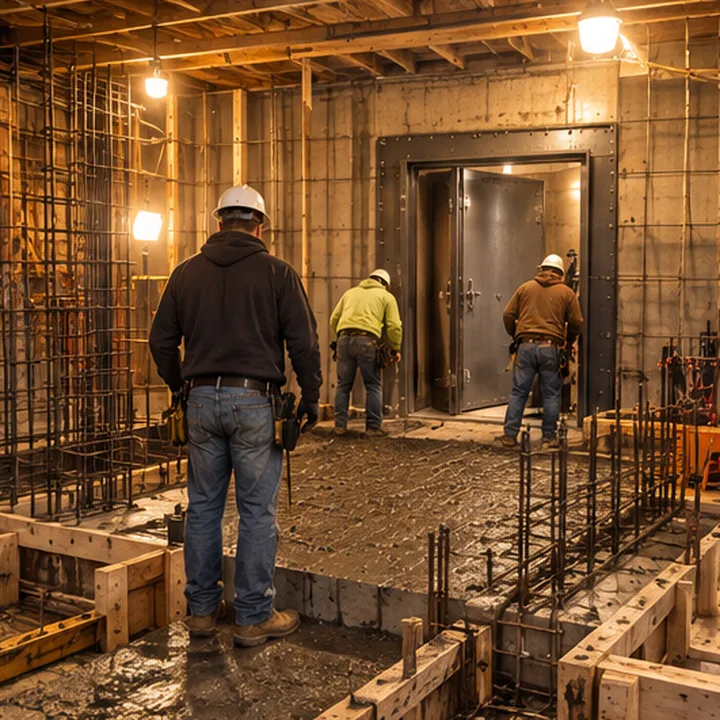
Concrete Safe Room Construction
A concrete safe room has reinforced concrete walls and roof, built inside the home or as an addition for a heavy, solid refuge.
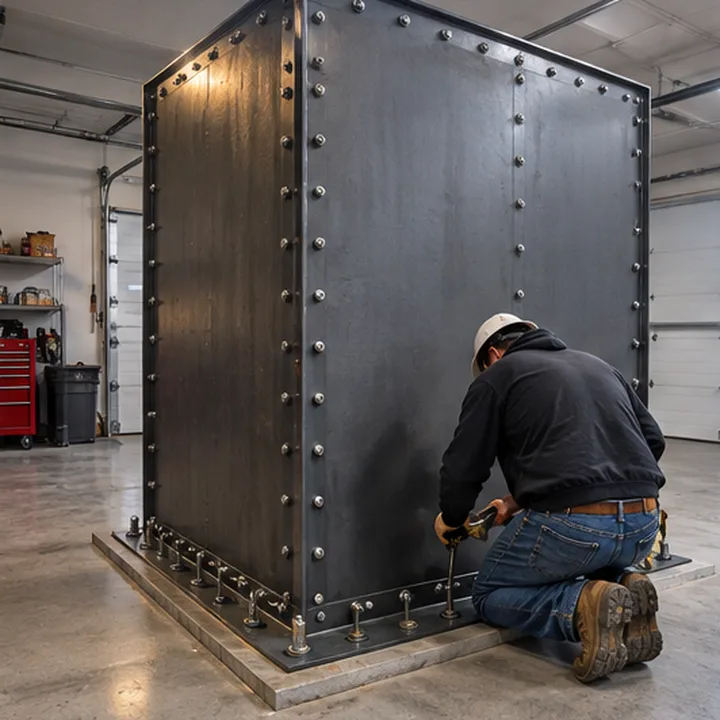
Steel Safe Rooms
Steel safe rooms are built from heavy plate and bolted to the slab, giving a compact, strong room that goes up quickly.
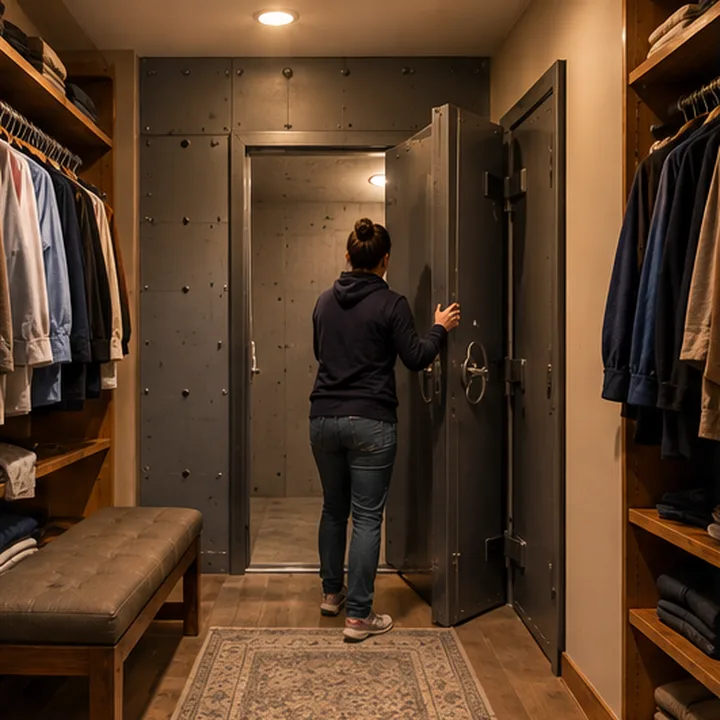
Bedroom and Closet Safe Room
A closet or bedroom safe room sits a few steps from where you sleep, which matters when a warning comes in the night.
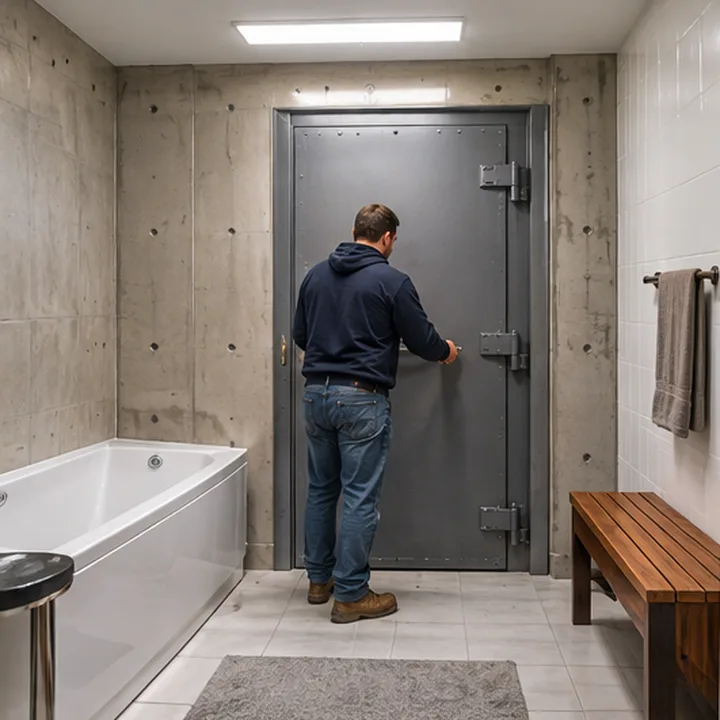
Bathroom Safe Room
A small interior bathroom can be reinforced into a safe room, with the plumbing already in place for a long stay.
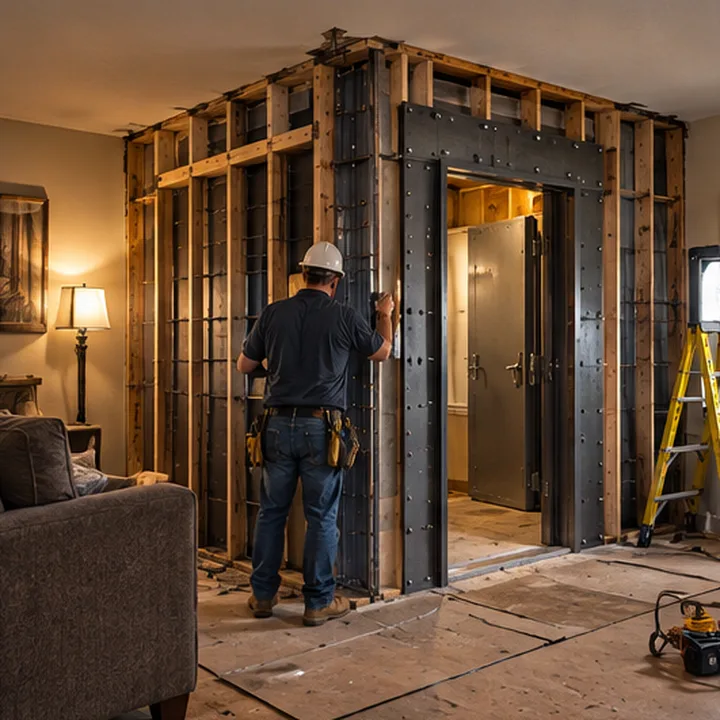
Retrofit Safe Room in an Existing Home
A retrofit adds a safe room to a home that is already built, in a closet, a corner, the garage or a basement.
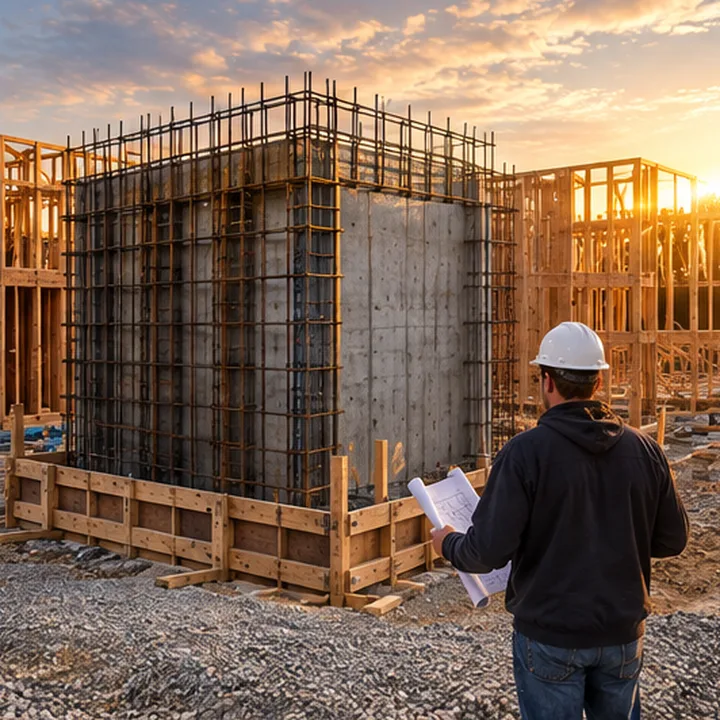
New Construction Safe Room
Building a new home is the easiest time to add a safe room, with a reinforced foundation, walls and a roof tied together.
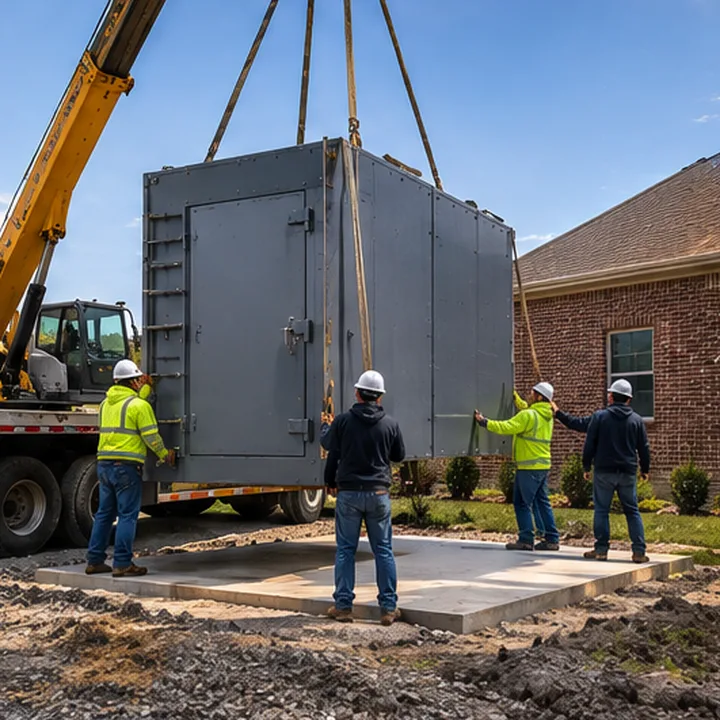
Prefabricated Safe Rooms
A prefabricated safe room is built in a factory, delivered in one piece or in panels and set on a prepared slab in a day.
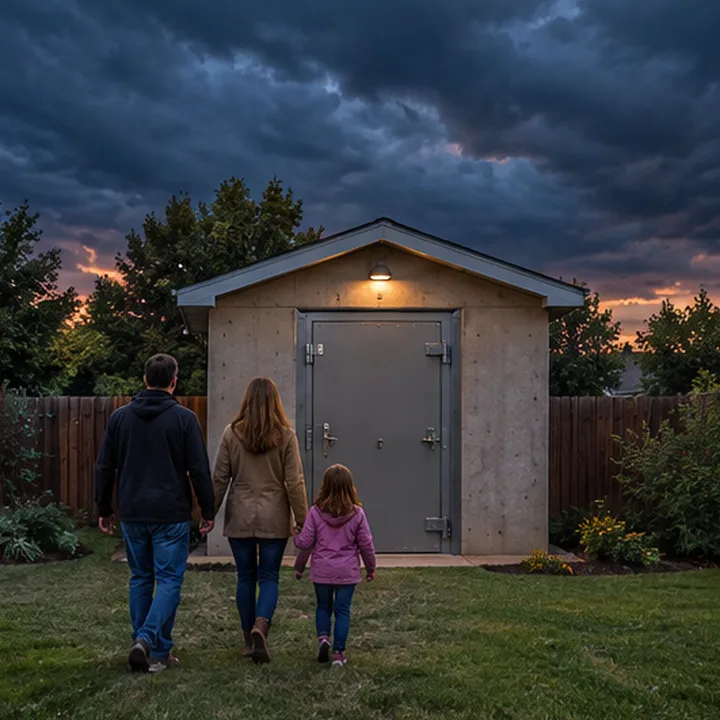
Modular and Detached Backyard Safe Rooms
A detached safe room stands in the yard like a small building, with level entry, no digging and room for a larger group.
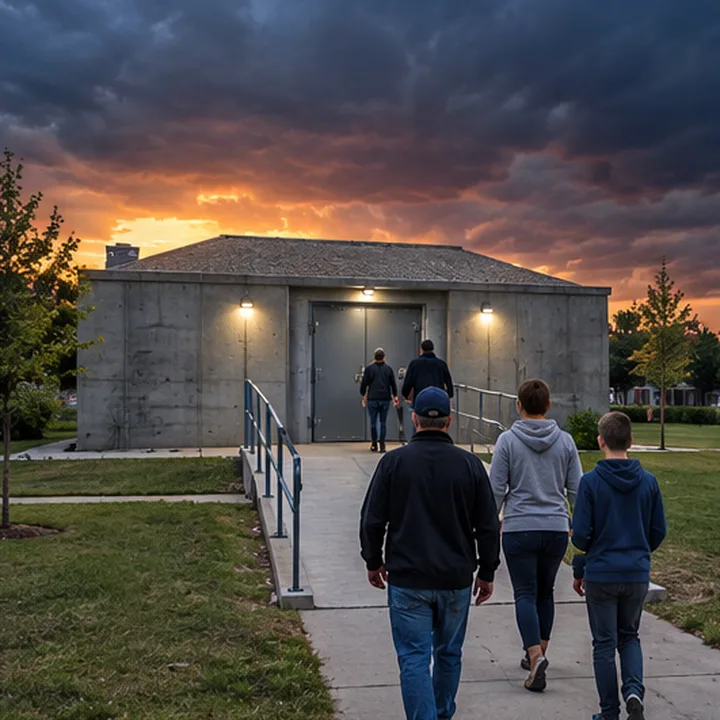
Community Storm Shelters
A community storm shelter gives a neighborhood, a campus or a town a place to take cover when there is no private shelter nearby.
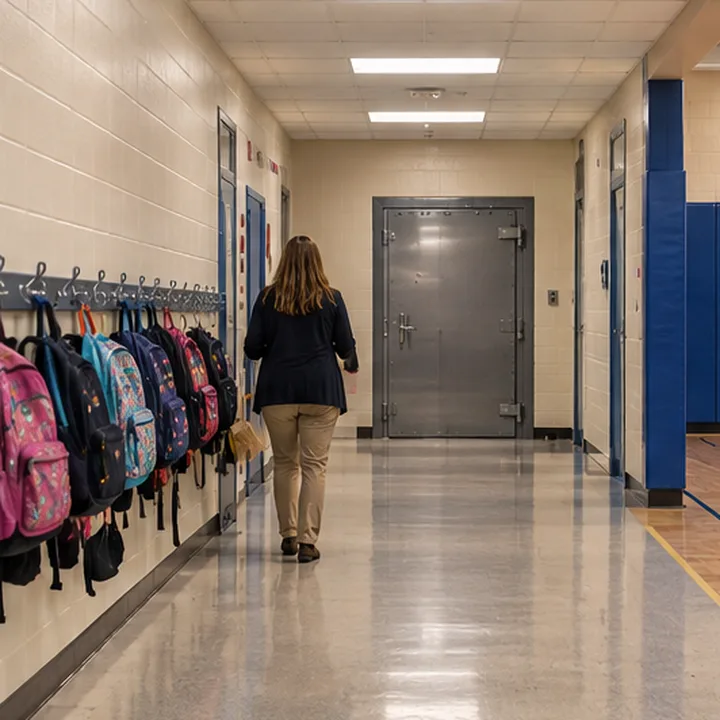
School and Campus Storm Shelters
School and campus shelters give students and staff a place to take cover that they can reach quickly, with drills and clear signs.
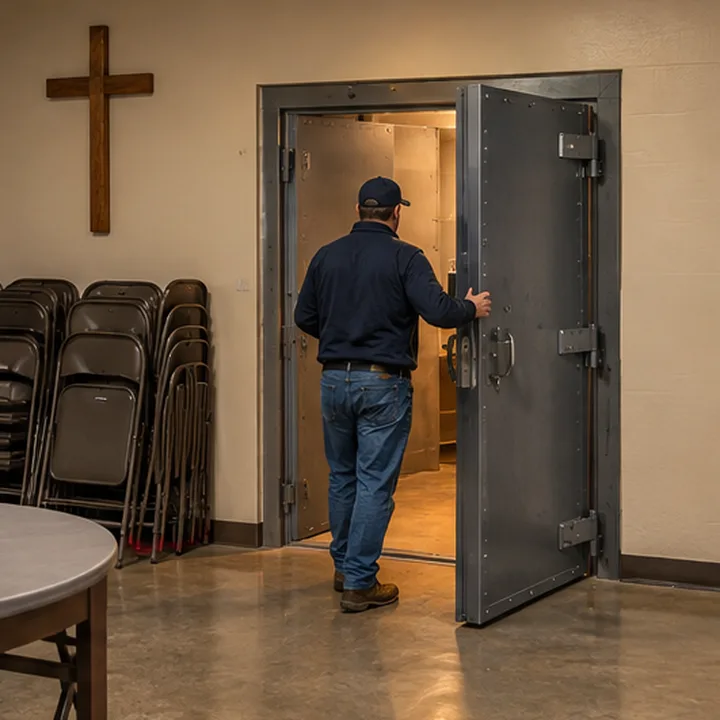
Church and Nonprofit Storm Shelters
Churches and nonprofits often serve many people on a few days a week, so a shelter must be easy to open and large enough for a crowd.
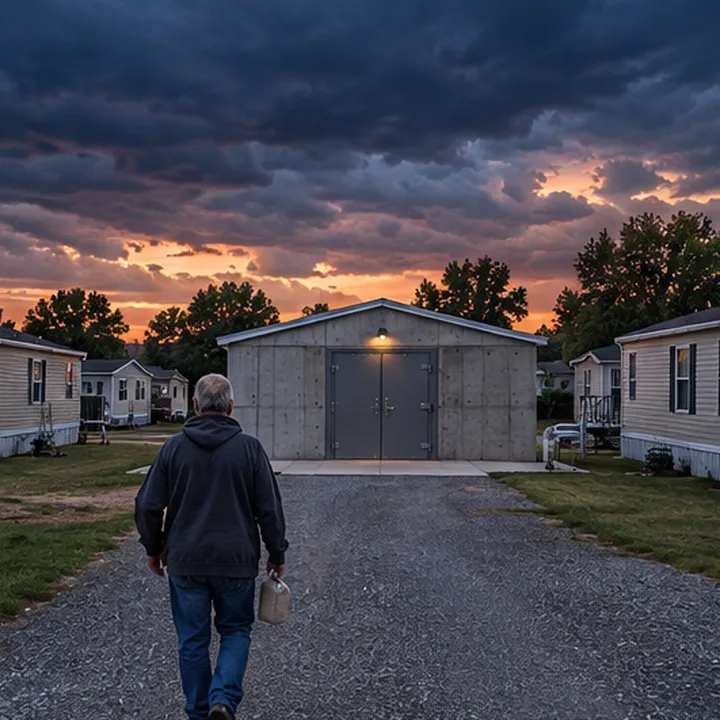
Mobile Home Park Storm Shelters
Manufactured homes are not safe places in a tornado, so a park shelter gives residents somewhere to go within a short walk.

Hospital and Healthcare Storm Shelters
Hospitals and care homes need shelter areas for patients who cannot walk, with wide doors, power and a plan to move beds.
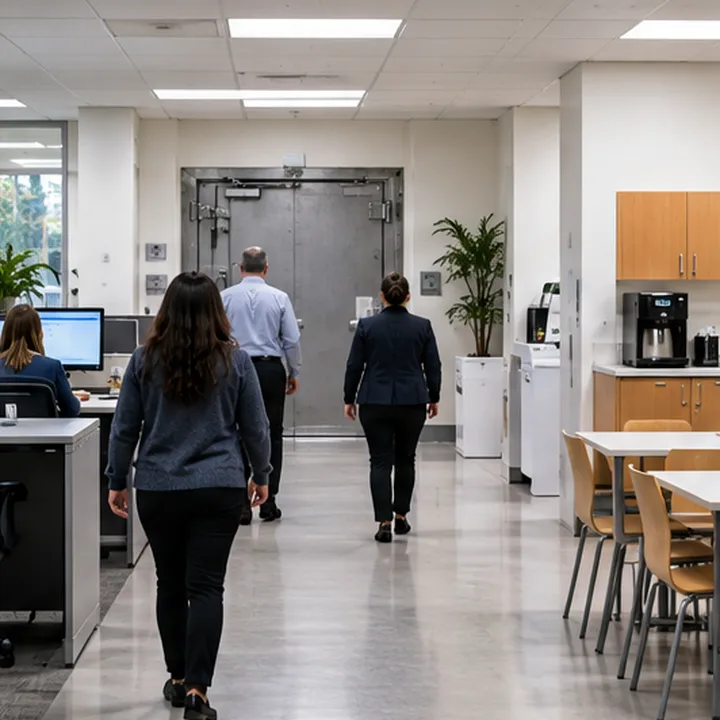
Business and Office Safe Rooms
A safe room at work protects staff and visitors, and shows employees the business plans for storm season.
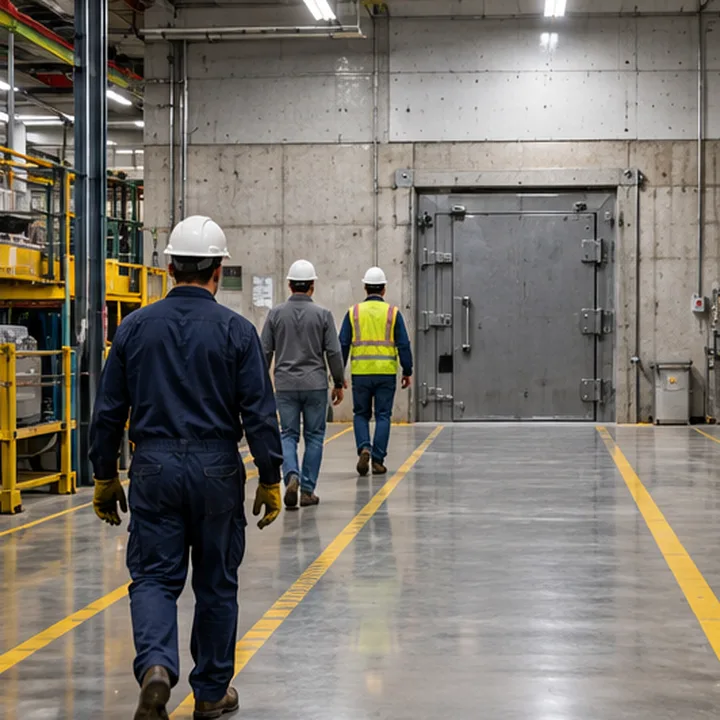
Factory and Industrial Storm Shelters
Plants and warehouses employ many people across large floors, so shelters must be spread out and quick to reach.
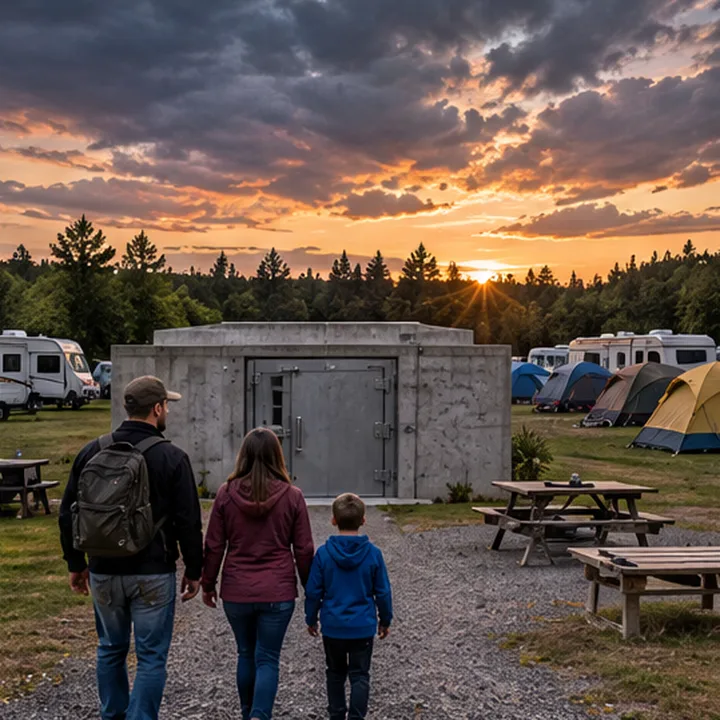
Campground and RV Park Storm Shelters
Campers and RV guests have no sturdy walls, so a campground shelter gives them a nearby place to go when a warning sounds.
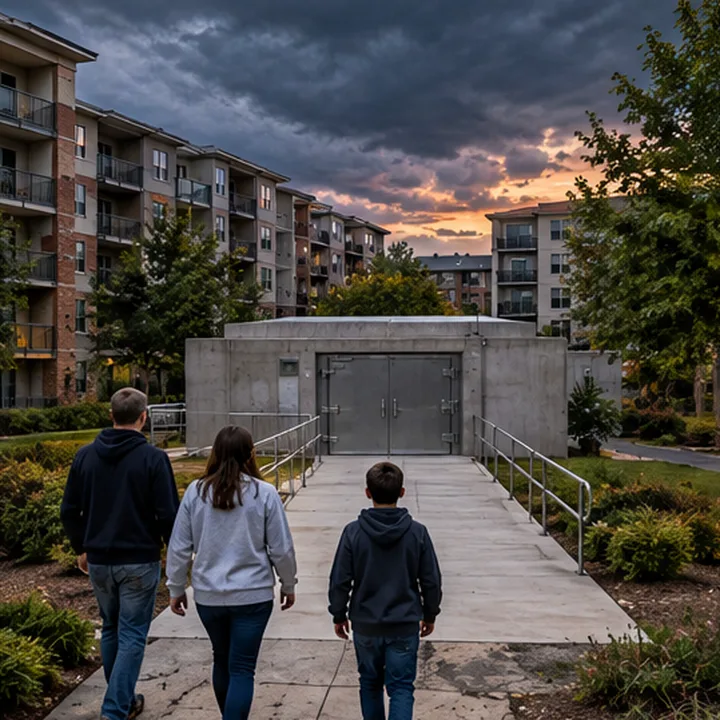
Apartment and HOA Storm Shelters
Apartment and HOA communities can share one shelter, placed so every building is within a short walk.

Municipal and Public Storm Shelters
Towns and counties build public shelters so residents without a place of their own have somewhere to go.
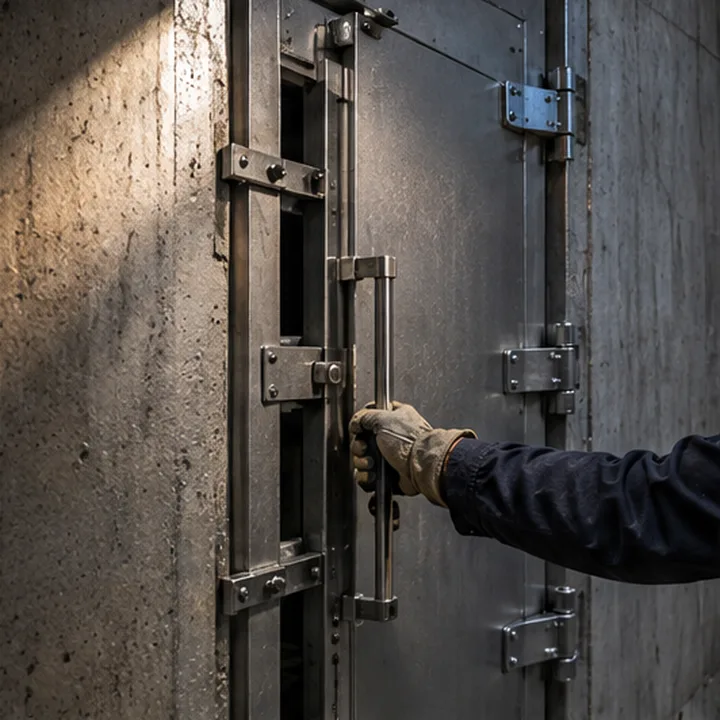
Storm Shelter Doors
The door is the most important part of a shelter: heavy steel, a strong frame and latches that hold under pressure.

Storm Shelter Door Hardware and Locksets
Latches, hinges and locks keep the door closed in the wind and open easily from inside, even in the dark.
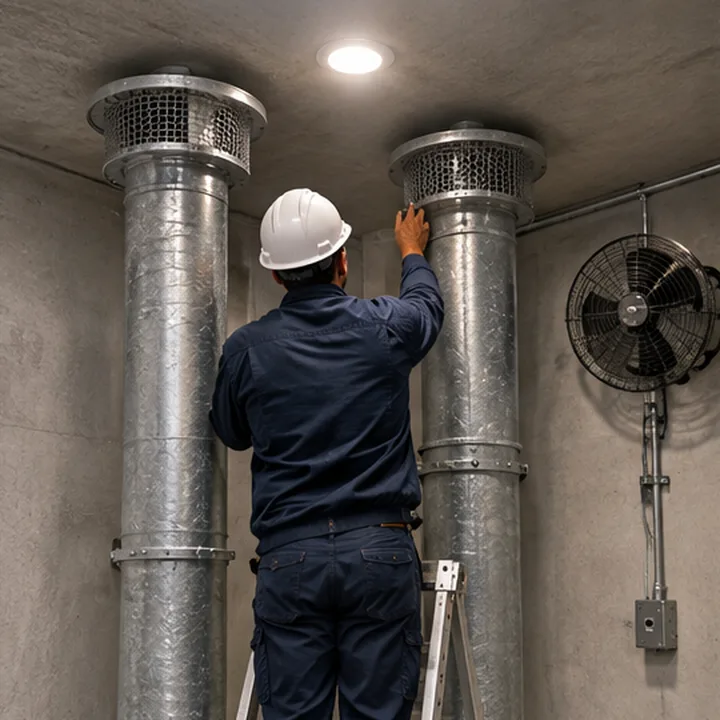
Storm Shelter Ventilation Systems
Ventilation brings fresh air into a closed shelter and lets stale air out, so a long stay stays comfortable and safe.
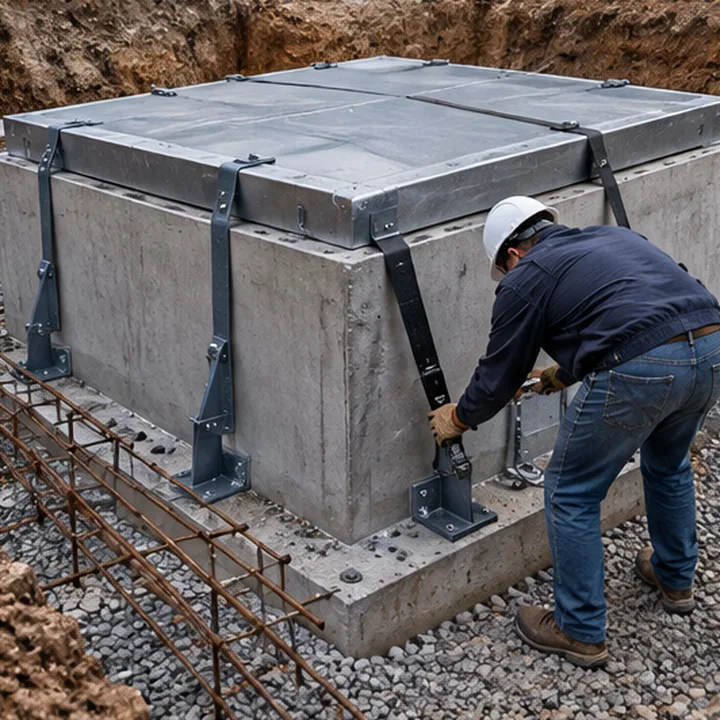
Storm Shelter Anchoring and Uplift Protection
Anchoring holds a shelter down against wind, wet soil and a high water table, which can try to lift it.
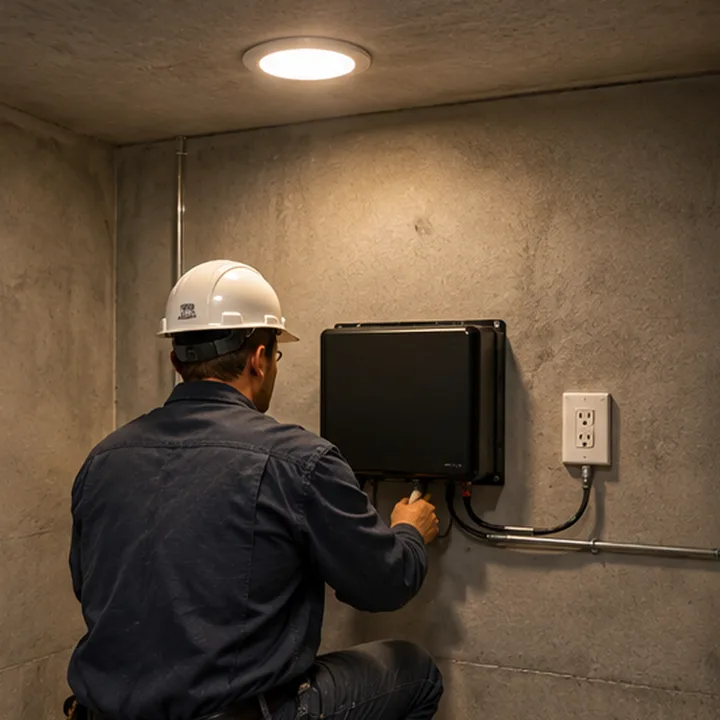
Shelter Electrical, Lighting and Emergency Power
Lights, outlets and backup power make a shelter easier to use and comfortable during a long wait.
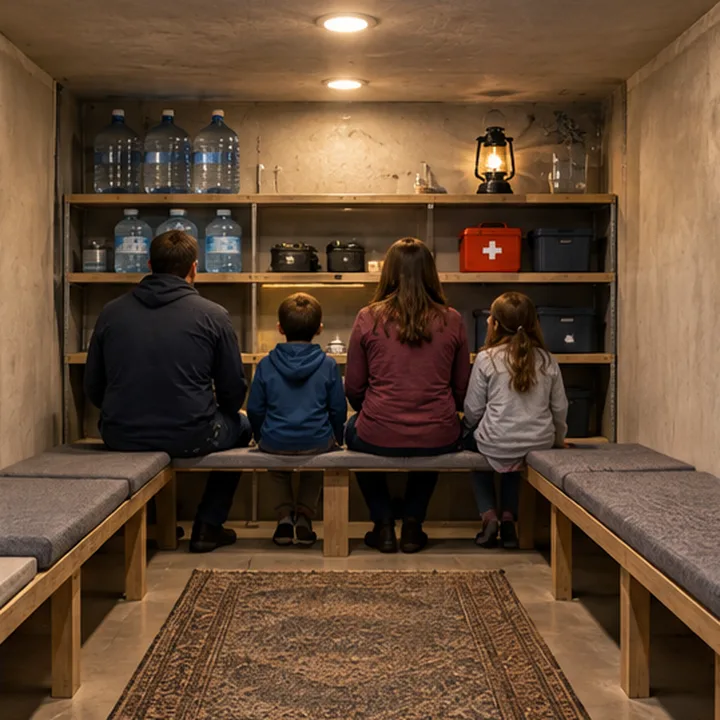
Shelter Interior Fit-Out
A shelter works better with benches, shelves and a place for supplies, so you are ready to wait without crowding.
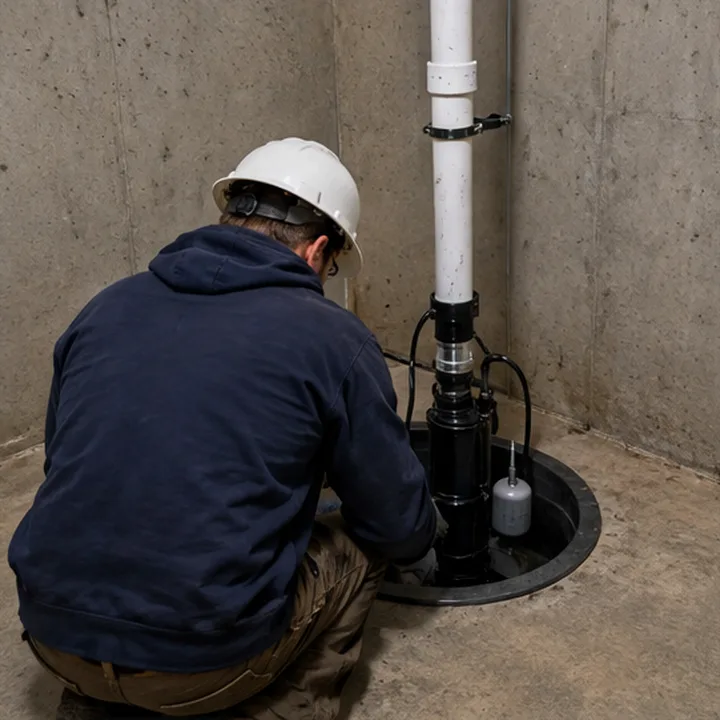
Storm Shelter Waterproofing and Sump Pumps
A dry shelter is a usable shelter. Waterproofing and a sump pump keep groundwater and rain out of the room.
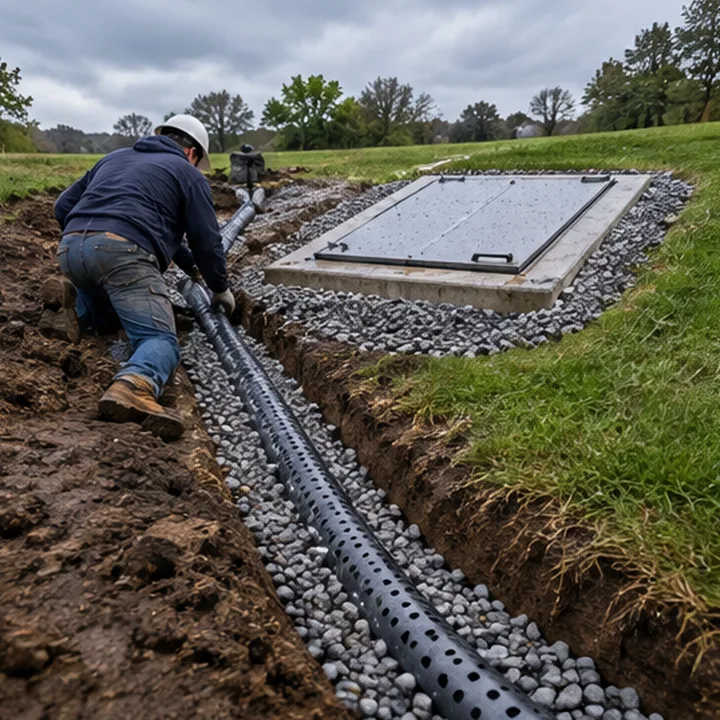
Storm Shelter Drainage
Grading and drains carry rain away from the shelter entry, so the stairs and the hatch stay dry and usable.
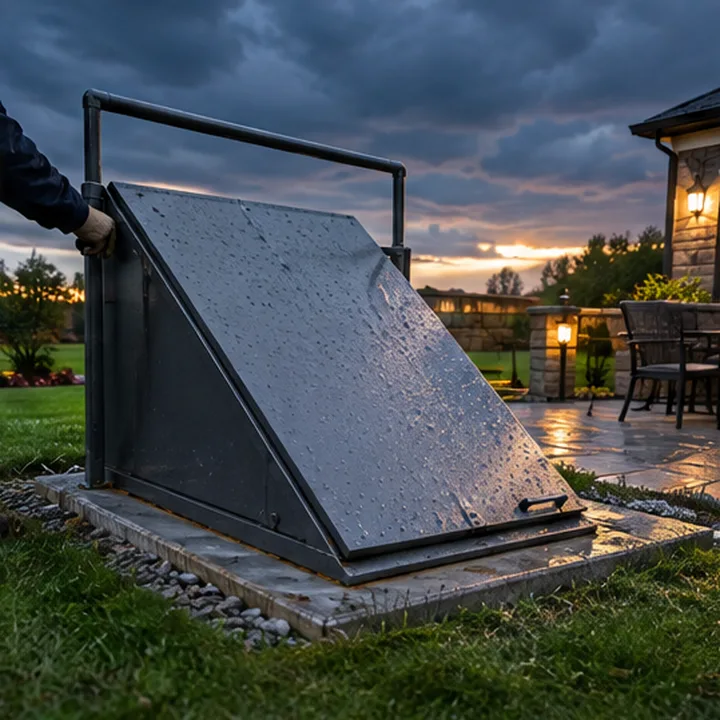
Shelter Entry Covers and Hatches
A good hatch or cover keeps rain, leaves and animals out of the entry and is easy to lift when it counts.
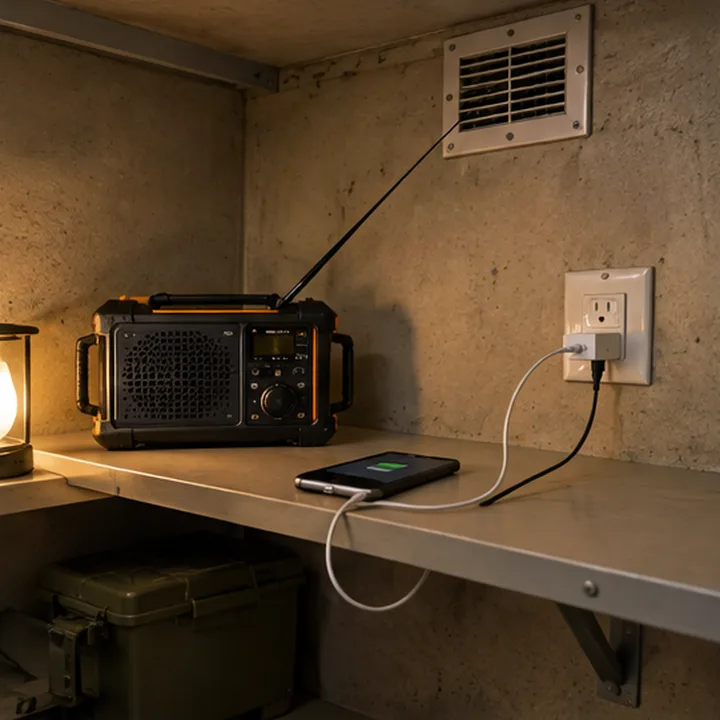
Shelter Communications and Weather Alert Setup
A weather radio and a charging point keep you informed inside a shelter, and a plan for alerts helps you get there in time.
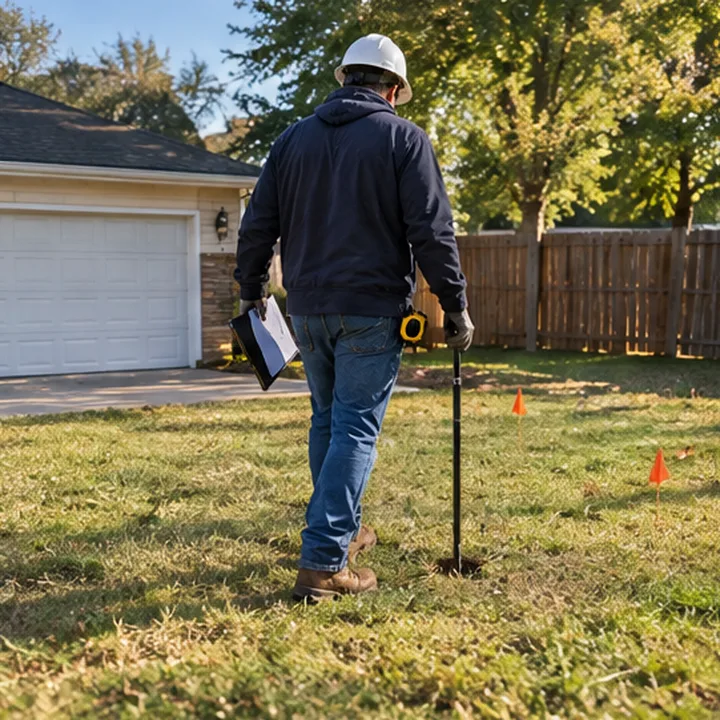
Storm Shelter Site Evaluation
A site evaluation looks at your home, your soil and your water table to find where a shelter fits best.
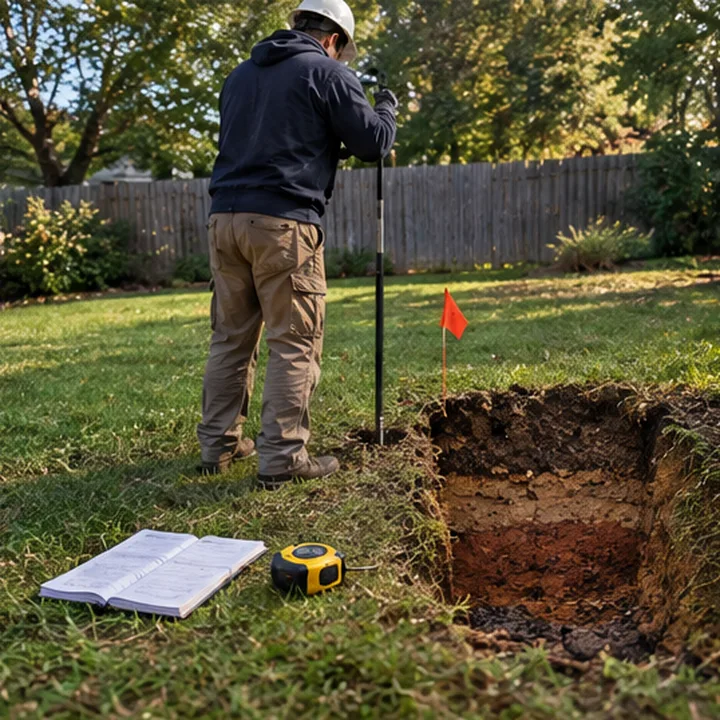
Soil and Water Table Testing
Soil and the water table decide which shelter works. Testing finds clay, rock and groundwater before you commit.

Storm Shelter Permits and Plans
Permits and plans keep your shelter legal and on record. We prepare the drawings and guide you through local rules.
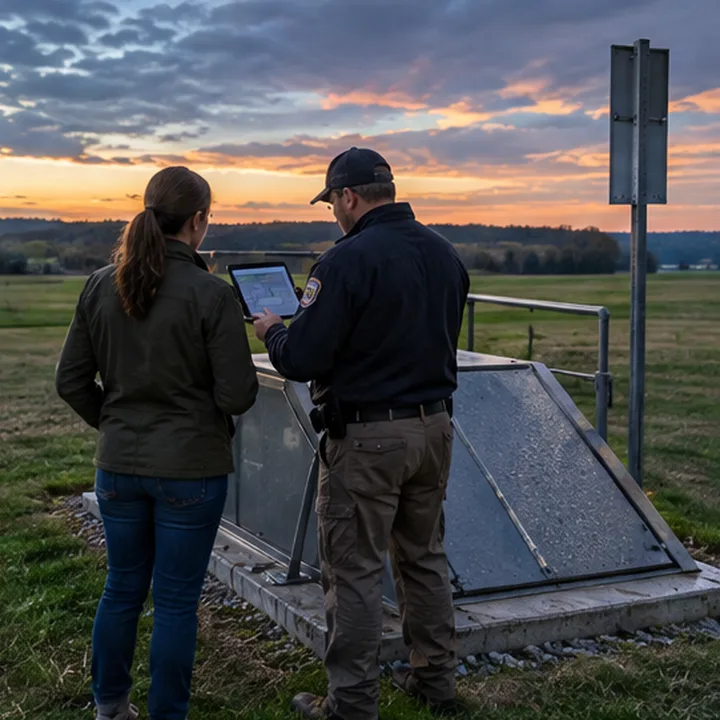
Storm Shelter Registration With Emergency Services
Some places let you register a shelter with local emergency services, so responders know where to look after a storm.

Storm Shelter Rebate and Grant Guidance
Some states, counties and agencies offer rebates or grants for shelters. We help you find them and prepare the information they ask for.
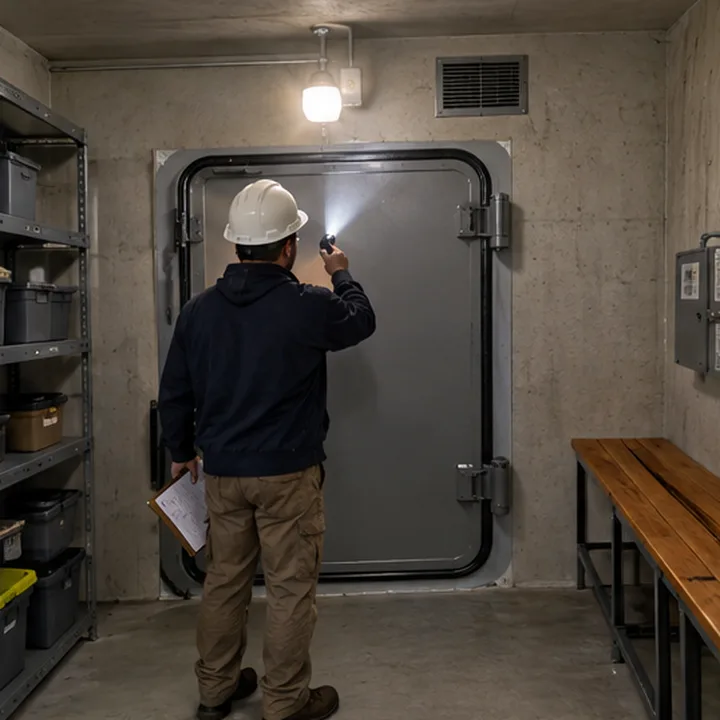
Storm Shelter Inspection and Maintenance
A shelter you have not opened in a year may not work when you need it. Inspection and maintenance keep it ready.
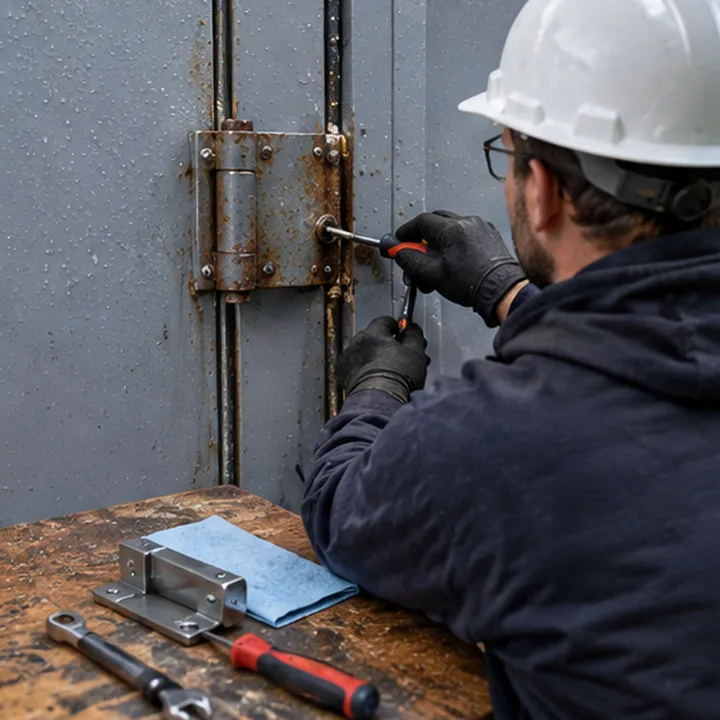
Storm Shelter Repair
Doors that stick, hinges that rust and seals that fail can be repaired or replaced so your shelter works again.
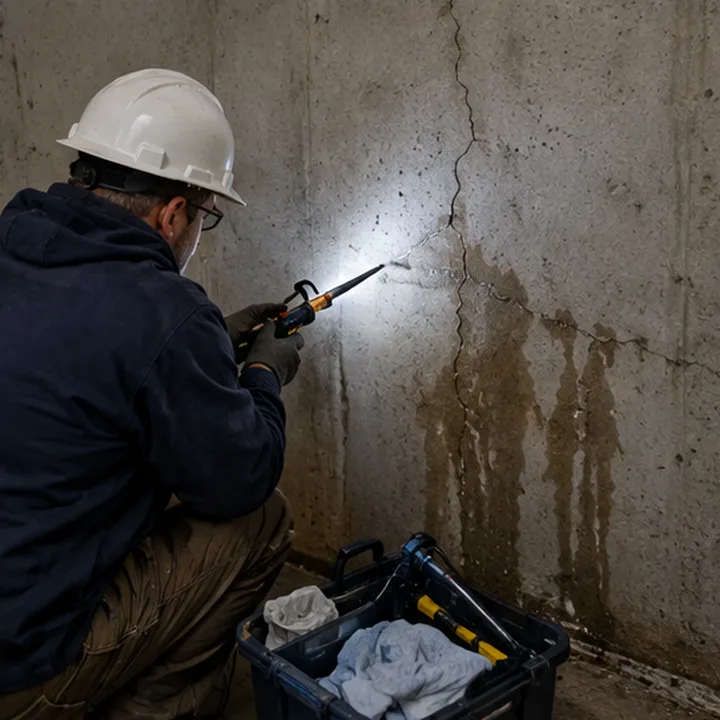
Storm Shelter Leak Repair
A leaking shelter is a damp shelter. We find where water gets in and seal it, then deal with the cause.
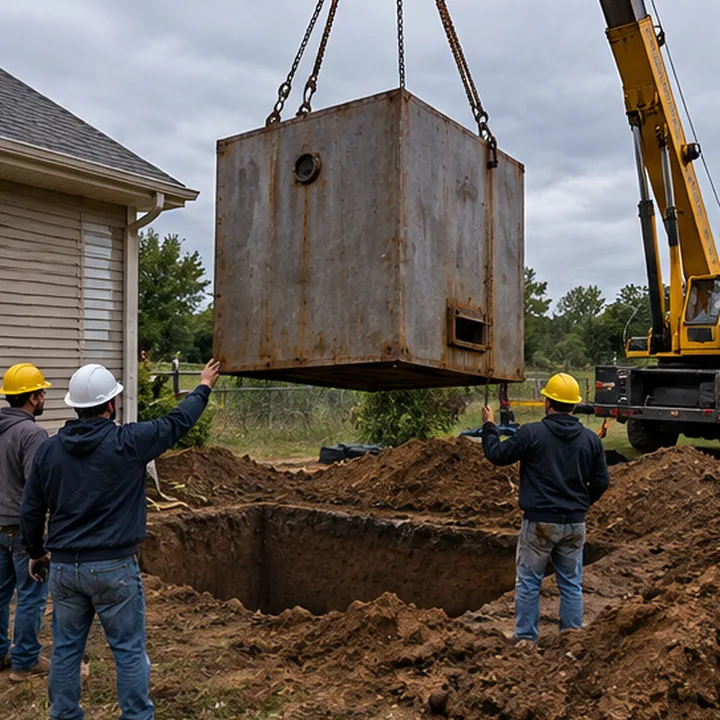
Storm Shelter Relocation and Removal
An old or badly placed shelter can be removed, filled in or moved, and a new one installed where it belongs.
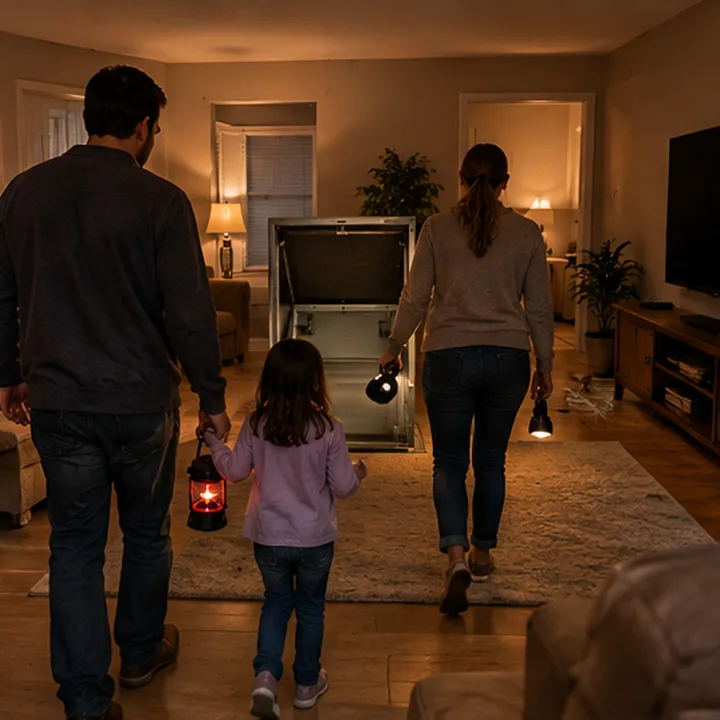
Storm Shelter Safety Drills and Training
A shelter only helps if you can reach it fast. Practice drills and short training make the routine second nature.
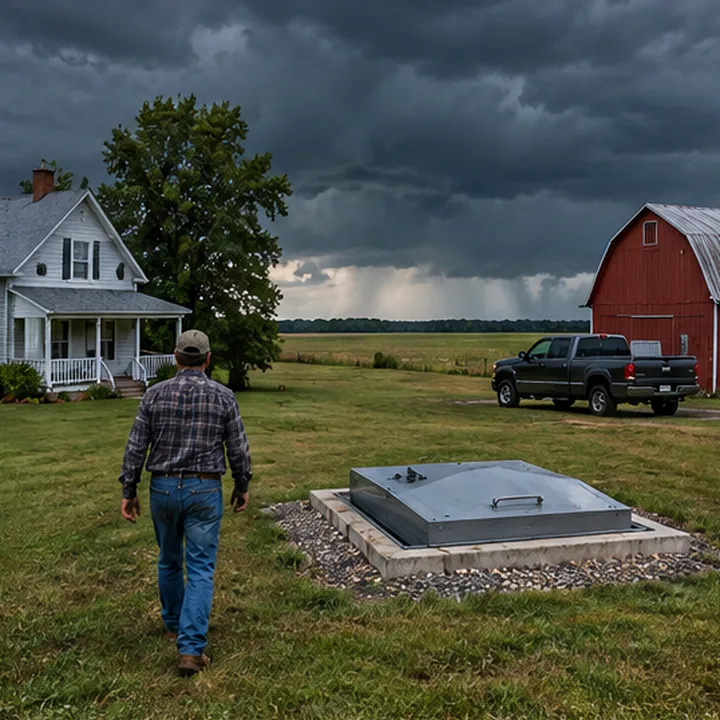
Rural and Farm Storm Shelters
Farms have long distances and little warning, so a shelter near the house and another near the barn can matter.
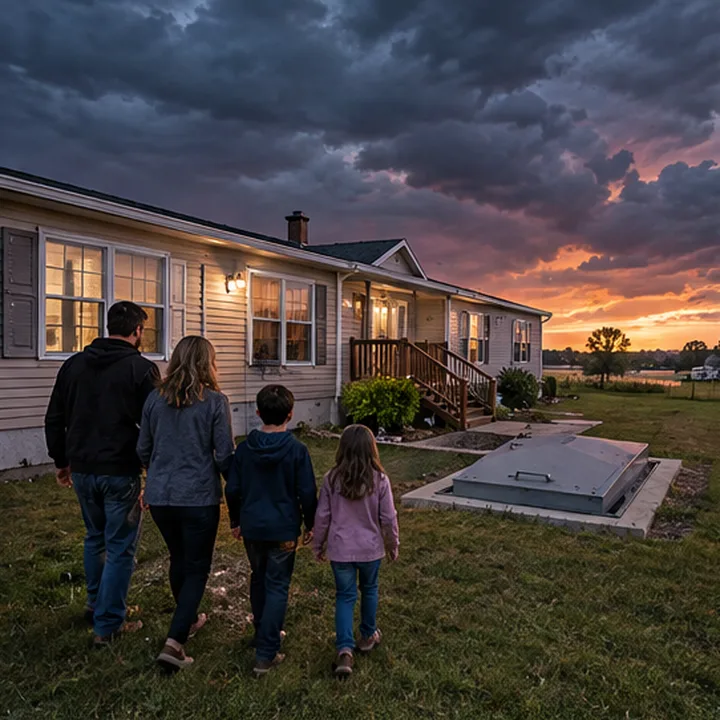
Manufactured and Mobile Home Shelters
Manufactured homes are among the most at risk in a tornado, so a shelter in the yard a few steps away is a smart plan.
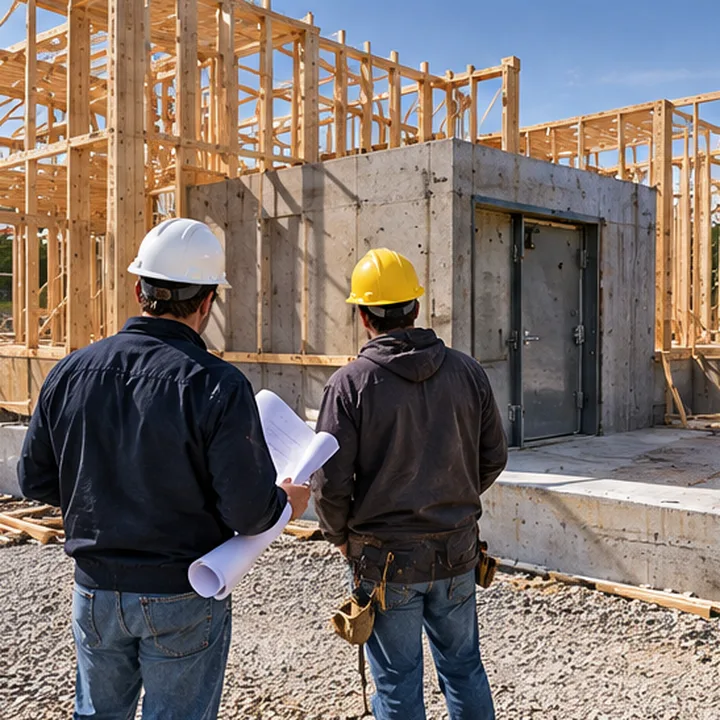
Builders and Contractors Safe Room Programs
Builders can offer safe rooms as an upgrade, with a repeatable plan, a clear schedule and one team to coordinate.
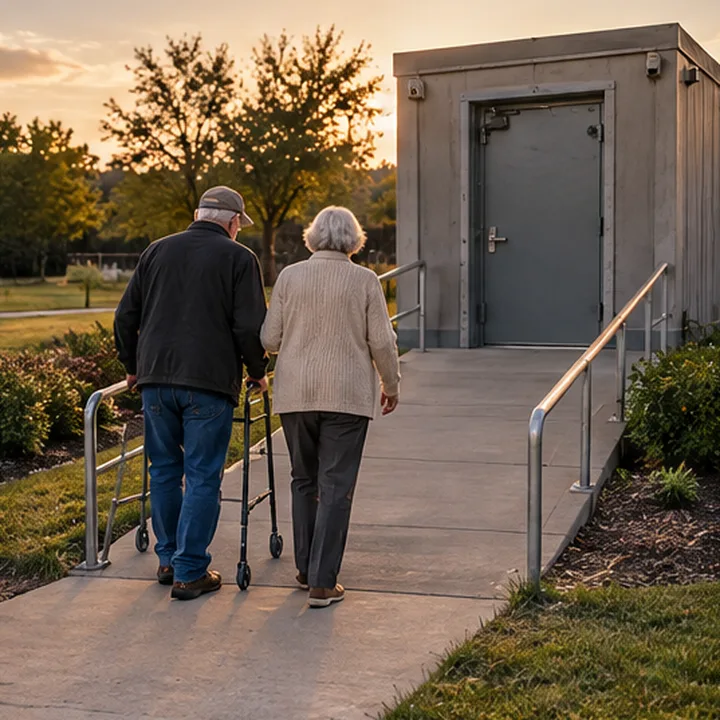
Shelters for Seniors and Families With Special Needs
Shelters should work for everyone in the household, including seniors, children and people who use wheelchairs or oxygen.
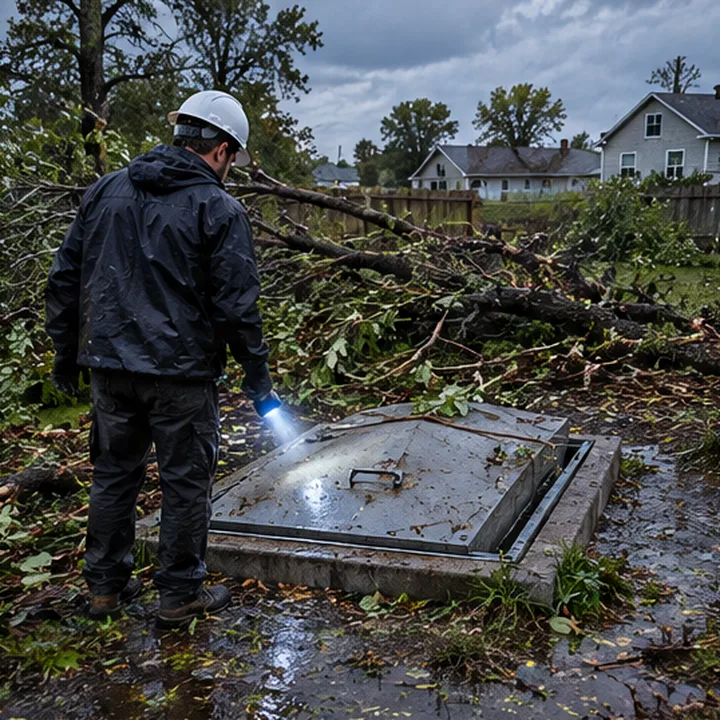
Post-Storm Shelter Assessment
After a storm, an inspection checks the door, the seals and the structure, so you know your shelter is ready for the next one.

Insurance and Home Value Guidance
A shelter can matter to insurers and buyers. We provide documents and photos, and you ask your own agent what applies.
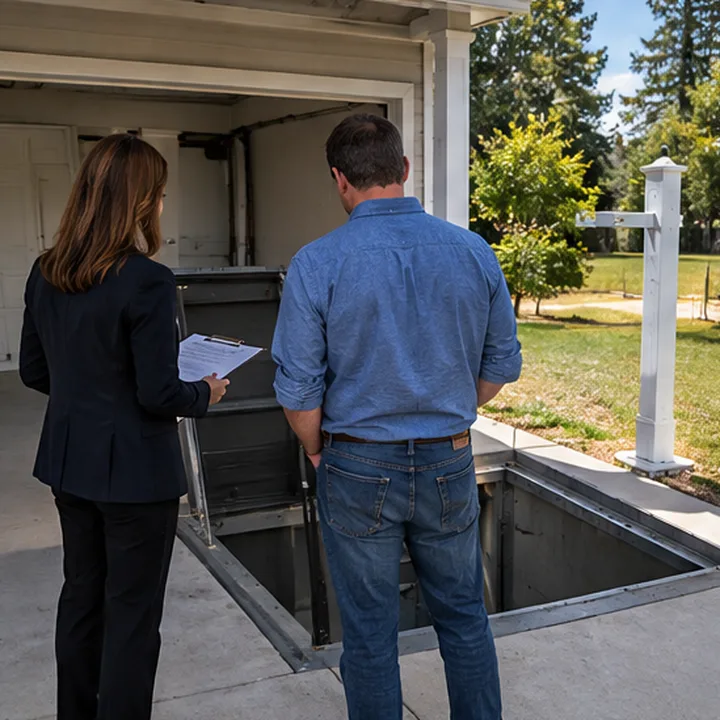
Real Estate and Resale Shelter Documents
Selling a home with a shelter, or buying one? We inspect the shelter and write a plain summary of its condition.
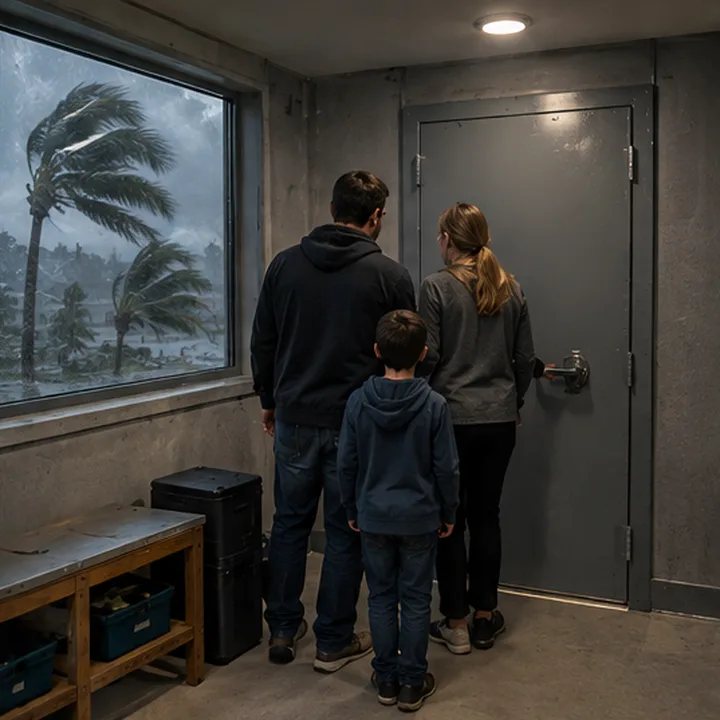
Hurricane and High Wind Safe Rooms
Coastal and high-wind regions need safe rooms that stand up to sustained wind and flying debris, and stay dry in a surge.
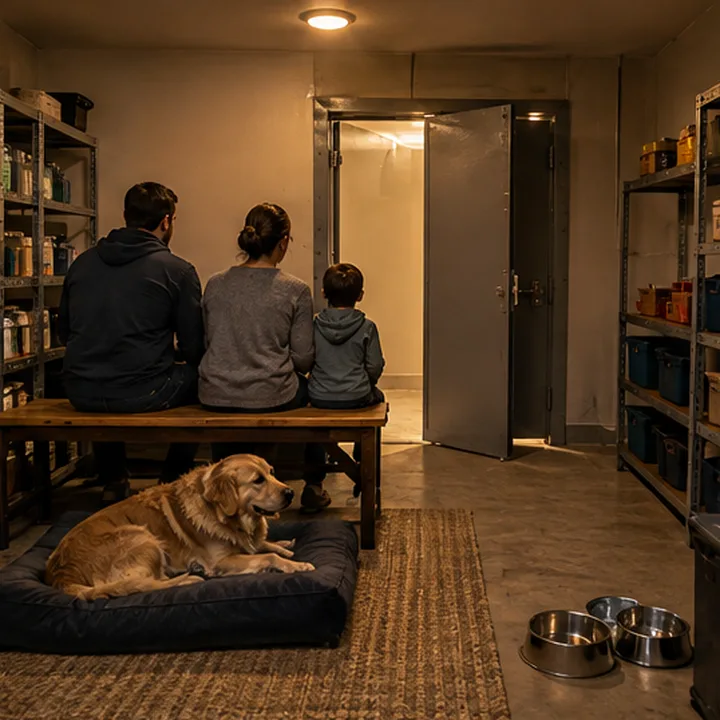
Shelters for Pets and Livestock Owners
Pets are family too. We plan shelter space for dogs and cats, and talk through options for farm animals.
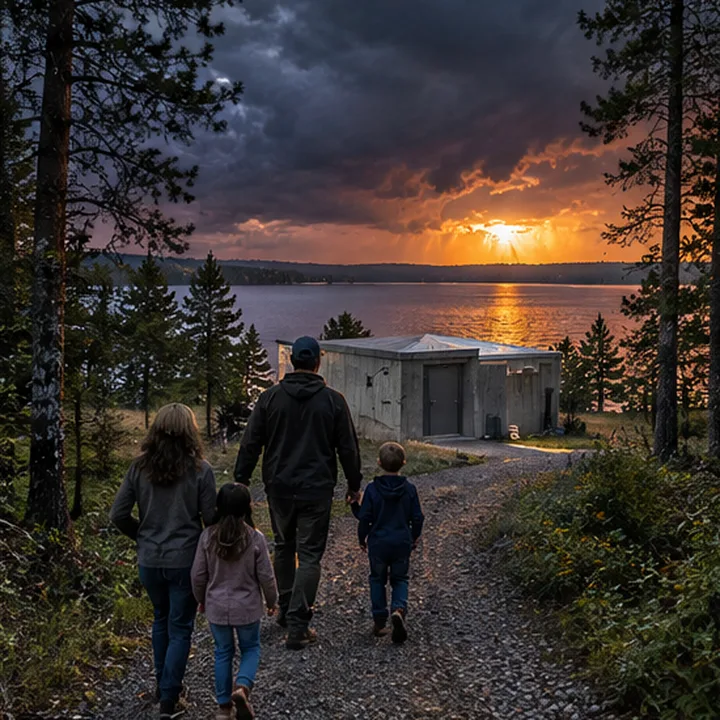
Vacation Home and Lake House Shelters
A second home is still home in a storm. We plan shelters for lake houses and cabins, often in rocky or wet ground.
Nothing matches that search. Try a shorter word, or call (800) 224-9245 and ask.
Ready to plan your shelter?
Tell us where you live and who is in your household. We will walk the site, explain the options in plain words and put the plan in writing.